
13 Surprising Postpartum Symptoms & What To Do About Them

When I was pregnant, I thought the hardest part would be the third trimester—the swollen feet, the endless bathroom trips, and the uncomfortable nights. And of course, I braced myself for labor and delivery, thinking that once I got through that, the hardest part would be over.
But then, the fourth trimester hit.
I hadn’t even heard the term fourth trimester until late in my pregnancy, and I assumed it was just a tongue-in-cheek way of describing life with a newborn. But let me tell you—those first 12 weeks after birth? They were a rollercoaster I wasn’t fully prepared for. Looking back, I don’t remember pregnancy feeling nearly as difficult as the postpartum period did. In those early days, I even joked about wanting to put the baby back inside.
The fourth trimester is an intense time of healing, learning, and adjusting—not just for your baby but for you. While your little one is figuring out life outside the womb, your body is working overtime to recover from pregnancy, birth, and the massive hormonal shifts happening all at once. And just when you think you’ve got a handle on one thing, a new symptom or challenge pops up out of nowhere.
Many of these postpartum symptoms aren’t talked about enough, leaving new moms feeling blindsided. So, in this post, I’m breaking down the most surprising postpartum symptoms—from the expected (but still tough) recovery pains to the weird, unexpected side effects no one warned me about. More importantly, I’ll share what actually helps so that you can navigate this season with a little more confidence and a lot more self-compassion.


Wondering who I am and why I'm giving advice? I'm a mom of three and a labor and delivery nurse. I've assisted in thousands of births and helped countless women on their journey to an empowered motherhood journey. I want to bring my knowledge and genuine mom advice to you. I'm so glad you're here. If you're looking for someone to talk to or lean on in this new mom life, I'm your girl.
Please note: The views on this website are personal opinions only and do not represent the opinions or policies of any provider or institution that I am affiliated with. I am not giving medical advice. Information on this website is not intended to diagnose, or treat any form of any disease. This article is for informational and entertainment purposes only. I am only telling you what my experiences are. Please refer to my Disclaimer Page for more information.
This post may contain affiliate links.
Surprising Postpartum Symptoms & How To Fix It
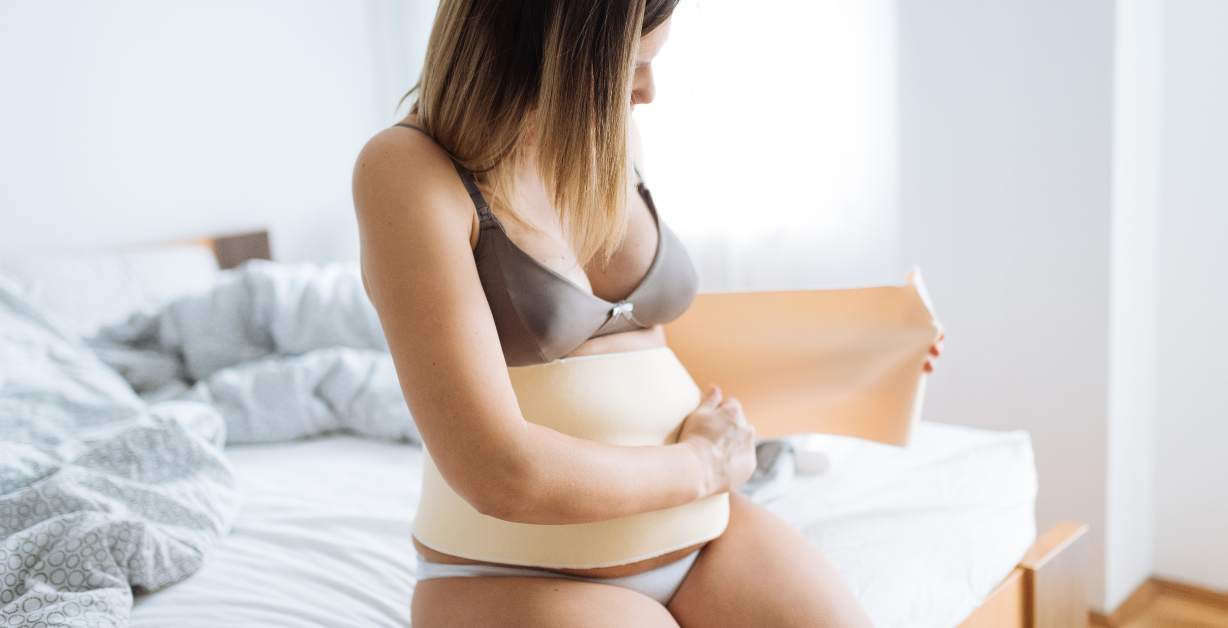
Your body just did something incredible—it grew, nourished, and delivered a human being. And now, it’s working overtime to heal and adjust to life post-baby. The physical recovery from birth isn’t just about soreness or stitches—it’s a full-body experience that can feel overwhelming at times.
Here are some of the most unexpected postpartum symptoms and what you can do to manage them.
1. Bleeding
I'm sure that you know that you're going to bleed after you have a baby. You've heard that you're going to have bleeding similar to that of a very heavy period for a while and you've been told to stock up on diapers and extra-large pads. But the truth? It may be a lot shorter-lived than you imagine.
Although the first couple of days postpartum might be full of extra large pads and adult diapers, that might be the last time that you turn to those resources. Instead, after the third or fourth day, you might be down to a regular-sized maternity pad and after that, a panty liner is often just fine. In most cases, you don't have a “heavy period” for very long at all and the majority of your recovery will be light bleeding or spotting.
👉 What helps:
- Stock up on extra-large postpartum pads or adult diapers for the first few days.
- Non-toxic maternity pads for about a week
- Avoid using tampons—your body needs time to heal.
- Expect bleeding to increase with activity, so take it easy when you can.
- Call your doctor if you’re soaking through a pad in an hour or passing clots larger than a golf ball.
Related Read: How To Create A Postpartum Recovery Kit: What Every New Mom Should Have

2. Breast Discomfort & Engorgement
Whether or not you plan to breastfeed, your breasts are about to go through some major changes. When your milk comes in (usually around day 3-5 postpartum), you may feel like you suddenly have rock-hard, swollen, hot bowling balls attached to your chest. It can be uncomfortable, painful, and downright shocking if you weren’t expecting it.
👉 What helps:
- If you’re breastfeeding, nurse or pump frequently to relieve pressure.
- Use cold compresses or cabbage leaves (yes, really!) to ease swelling (only consider this if you're ok with supply dropping, like if you're planning not to breastfeed)
- For sore nipples, lanolin cream or breast shells can be lifesavers.
Watch for signs of mastitis (redness, fever, flu-like symptoms) and call your provider if you suspect an infection.
3. Painful Bathroom Trips – The Fear of Going #2
Going to the bathroom after birth is a whole experience—and not a fun one. Your pelvic floor has just been through war, your pushing muscles are exhausted, and if you had stitches, the idea of wiping feels downright terrifying. Plus, your body decides to go on a mini strike, making constipation a real struggle.
👉 What helps:
- Stool softeners are your best friend—start taking them right after birth.
- Use the peri bottle (aka the magical squirt bottle they give you in the hospital) instead of toilet paper to keep things clean.
- Witch hazel pads or cooling postpartum sprays help soothe soreness.
- Hydrate and eat fiber-rich foods to keep things moving.
And yes, the first postpartum poop can be scary—but it will happen, and you will survive it!
4. Postpartum Contractions – Didn’t I Just Finish Labor?!
Just when you thought contractions were over, your uterus throws another surprise your way. As it shrinks back to its pre-pregnancy size, you’ll experience afterpains—cramping that can range from mild discomfort to full-on labor flashbacks, especially if you’re breastfeeding.
👉 What helps:
- Heating pads can ease cramping.
- Taking a Recovery Tonic to help boost your daily vitamin C intake to support tissue formation, collagen production, and immunity. (you can get 15% off with the code HEATHER15 if you want to use the one I use!
- Know that afterpains usually get worse with each baby, so don’t be alarmed if they feel stronger the second or third time around.
5. Swelling – My Feet Look Like Balloons
You expected swelling in pregnancy, but what about postpartum swelling? Many new moms find that their feet, legs, and hands puff up even more after birth, especially if they had IV fluids during labor.
👉 What helps:
- Keep your feet elevated as much as possible.
- Compression socks can help reduce swelling in your legs.
- Soothe and revitalize your puffy legs and feet with cooling Aloe Vera cream infused with organic herbs, cucumber, and spirulina. Rich in vitamins A and C, this refreshing aloe vera formula helps bring immediate relief while protecting sensitive skin.
- Drink tons of water to help flush out excess fluids.
- Move around gently when you can—light walking can help circulation.
Swelling usually subsides within a week, but if you experience sudden swelling, pain, or shortness of breath, call your doctor immediately to rule out any complications like blood clots.
6. Incontinence – The Pee Problem No One Talks About
Let’s be real—after pushing a baby out, your bladder control isn’t what it used to be. Many women experience stress incontinence, meaning they leak a little when they laugh, cough, sneeze, or even just stand up too fast.
👉 What helps:
- Start pelvic floor exercises after the six week recovery period. I recommend using this Kegel exerciser that comes with an app to track your progress!
- Avoid caffeine, which can make incontinence worse. Instead, use Energy Drops are a caffeine-free solution to fighting fatigue, rich in vitamin B12 and chromium, which are critical to supporting healthy energy levels throughout the day. (You can get 15% off your order with the code HEATHER15)
- Give it time! Many women regain bladder control within a few months.
If you’re still experiencing leaks six months postpartum, it’s worth seeing a pelvic floor physical therapist.

7. Hair Loss – Where Did All My Hair Go?!
During pregnancy, your hair was thick, luscious, and full of volume. Then, a few months postpartum, you start shedding like crazy. This is called postpartum hair loss, and it’s completely normal.
👉 What helps:
- Use a gentle, non-toxic shampoo and conditioner to minimize breakage.
- Try a scalp massage with hair growth oils to stimulate regrowth.
- Eat foods rich in biotin and collagen to support healthy hair.
- Remember: It’s temporary! Your hair should return to normal by 6-12 months postpartum.
8. Postpartum Mood Swings – The Emotional Rollercoaster
Thanks to a massive hormonal shift, your emotions can feel all over the place after birth. One moment you’re staring at your baby in awe, and the next you’re crying because you ran out of coffee.
It’s common to feel extra sensitive, anxious, or even a little lost in those early weeks. Your body is adjusting to dropping hormone levels, sleep deprivation, and the huge life change of becoming a mom.
👉 What helps:
- Remind yourself that mood swings are normal in the first few weeks.
- Make sure you’re eating enough, staying hydrated, and getting fresh air.
- Start drinking Happy Juice to help support mood and healthy hormone balance
- Don’t be afraid to ask for help—whether it’s from your partner, family, or friends.
- Try deep breathing, journaling, or short walks to reset your mind.
Most moms experience the “baby blues” for a couple of weeks, but if your emotions feel overwhelming, persist longer than two weeks, or get worse, keep reading—postpartum depression may be at play.
Related Read: The Truth About Postpartum Readiness – What You Need To Know
9. Night Sweats – Why Am I Drenched?!
One night, about a week postpartum, I woke up completely soaked. Turns out, postpartum night sweats are a super common (and super gross) way your body gets rid of the extra fluids it held onto during pregnancy.
👉 What helps:
- Use breathable cotton or cooling bamboo sheets and pajamas.
- Keep a towel under you to protect your mattress.
- Stay hydrated—all that sweating can leave you feeling dehydrated.
- Know that this is temporary—it usually improves after a few weeks.
If your night sweats persist for months or come with fever and chills, check with your doctor to rule out infection or a thyroid issue.
10. Changes in Libido – Wait… What Libido?
Let’s be real—sex is probably the last thing on your mind postpartum. Between exhaustion, soreness, and hormonal shifts, many women experience a drop in libido after birth. On the flip side, some moms notice their libido increases once they’re healed up.
👉 What helps:
- Give yourself time—it’s okay if intimacy feels off for a while.
- If pain is an issue, try a good lubricant and take things slow.
- Communicate with your partner—this is a huge adjustment for both of you.
- If your libido doesn’t return after a year, talk to your doctor—hormonal imbalances, stress, and sleep deprivation can all play a role.
And remember—you are not broken if your libido isn’t what it used to be right away. Your body has been through a lot, and intimacy will come back when you’re ready.
Related Read: Sexual Health After Childbirth with Midwife Chanelle
11. Postpartum Brain Fog – Why Can’t I Remember Anything?!
Ever walk into a room and immediately forget why? Or find yourself losing your phone and keys constantly? That’s postpartum brain fog, and it’s so real. Between sleep deprivation, hormone fluctuations, and mental overload, your brain is literally rewiring itself to adjust to motherhood.
👉 What helps:
- Write things down—lists, reminders, phone notes are your best friend.
- Prioritize sleep when you can (easier said than done, I know!).
- Give yourself grace—your brain is doing a lot right now!
- Trust that this will get better—many moms notice an improvement around 6-12 months postpartum.
You’re not losing your mind—just adjusting to a whole new reality!
12. New Stretch Marks – Will My Body Ever Look the Same?
One of the most common postpartum concerns? Loose skin and stretch marks. But many moms are surprised that although their perfect belly was stretch mark-free before they gave birth, the postpartum season revealed new stretch marks when you thought you were home free without any. Unfortunately, sometimes stretch marks become more visible after the belly has shrunk down and allowed the skin to figure out what just happened.
After pregnancy, it can take time for your skin to recover and find it's new normal again.
👉 What helps:
- Stay hydrated and nourish your skin with collagen-rich foods.
- Try firming creams or oils to keep skin moisturized.
- Be patient—your body just did something incredible!
Stretch marks fade over time, and while your skin may never be exactly the same, your body is still strong, beautiful, and worthy of love.
13. Postpartum Body Odor – Why Do I Smell Like This?!
One of the strangest postpartum surprises? The postpartum stink. Even after showering, many new moms notice they have stronger body odor, especially when breastfeeding. This is thanks to a mix of hormonal shifts, increased sweating, and pheromone production, which actually helps your baby recognize your scent.
👉 What helps:
- Use a natural, aluminum-free deodorant if you’re breastfeeding. (you can get 20% off with the code ALIFEINLABOR)
- Wear breathable fabrics like cotton to reduce trapped sweat.
- Stay hydrated—drinking more water helps flush out excess hormones.
The good news? It’s temporary! As your hormones regulate, the extra B.O. will fade. Until then, just remember—your baby loves your scent, even if you don’t!
You’re Doing an Incredible Job– Even Through The Postpartum Symptoms
The fourth trimester is a season of transformation, healing, and adjustment—physically, emotionally, and mentally. Some days, you’ll feel like you’ve got a handle on things. Other days, you might find yourself crying over spilled milk (literally). And that’s okay.
Your body is healing from pregnancy, labor, and birth, while also producing milk (if you’re breastfeeding), experiencing massive hormonal shifts, and operating on little to no sleep. It’s no wonder postpartum recovery feels like a wild ride.
If there’s one thing I want you to take away from this, it’s this: You are not alone, and you are doing better than you think.
Postpartum is messy, exhausting, and unpredictable—but it’s also full of love, growth, and some of the most beautiful moments of your life. Even on the hardest days, remind yourself: this season is temporary, and you are stronger than you know.
So take a deep breath, mama. Give yourself permission to rest, heal, and not have it all figured out just yet. You’re doing an amazing job.