
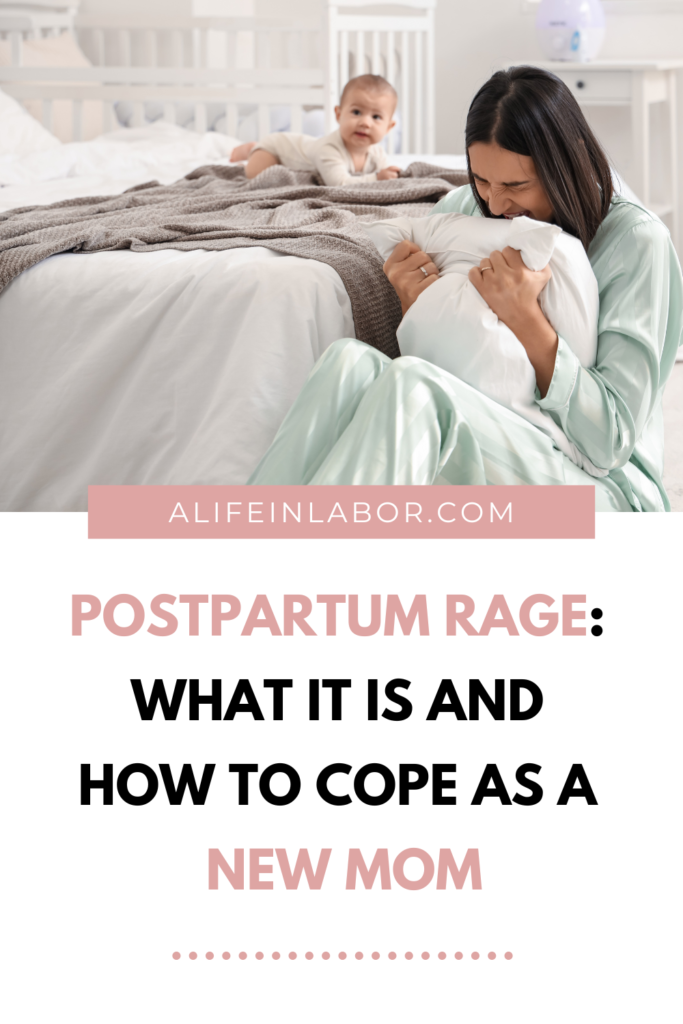
Postpartum Rage: What It Is and How to Cope as a New Mom
Becoming a mother is a life-changing experience filled with moments of joy, love, and pride. But it’s also a period of immense change and adjustment. While many new moms expect to feel tired or overwhelmed, few are prepared for the intense and surprising anger that can surface during the postpartum period- seemingly out of nowhere or for no clear reason at all. If you’ve found yourself snapping over small things, yelling when you don’t mean to, or feeling a simmering rage that seems to come out of the blue, you’re not alone. This phenomenon is called postpartum rage.
As a mom of three and postpartum educator, I’ve seen firsthand how difficult it can be for new mothers to navigate these unexpected emotions. Postpartum rage isn’t just a “mood swing” or something you can brush off—it’s a sign that your mind and body are under immense stress and need support. By understanding what postpartum rage is, why it happens, and how to manage it, you can take meaningful steps toward finding relief and regaining control.


Wondering who I am and why I'm giving advice? I'm a mom of three and a labor and delivery nurse. I've assisted in thousands of births and helped countless women on their journey to an empowered motherhood journey. I want to bring my knowledge and genuine mom advice to you. I'm so glad you're here. If you're looking for someone to talk to or lean on in this new mom life, I'm your girl.
Please note: The views on this website are personal opinions only and do not represent the opinions or policies of any provider or institution that I am affiliated with. I am not giving medical advice. Information on this website is not intended to diagnose, or treat any form of any disease. This article is for informational and entertainment purposes only. I am only telling you what my experiences are. Please refer to my Disclaimer Page for more information.
This post may contain affiliate links.
What Is Postpartum Rage?
Postpartum rage is an intense, often uncontrollable anger that can occur during the postpartum period. Unlike the fleeting frustration or irritability many new moms experience, postpartum rage can feel overwhelming and disproportionate to the situation. It’s more than just having a bad day—it’s a uncontrollable emotional state that can disrupt your ability to function in certain situations.
This condition is often a response to overwhelming physical, emotional, and hormonal changes that come with childbirth and caring for a family. Postpartum rage isn’t an official diagnosis but rather a symptom that may occur on its own or as part of other postpartum mental health conditions, such as postpartum depression or anxiety.
Common Ways Postpartum Rage Manifests:
- Explosive outbursts of anger, often triggered by small or routine challenges.
- Difficulty calming down after becoming upset.
- Persistent feelings of irritability or frustration.
- Guilt or shame after episodes of anger.
- Avoidance of certain situations or people for fear of losing control.
It’s important to recognize that postpartum rage is not a reflection of your abilities as a mother. Instead, it’s a sign that your body and mind are responding to the intense demands of this season of life. Acknowledging these feelings and seeking support is the first step toward finding relief.
Symptoms of Postpartum Rage
Postpartum rage can present itself in various physical, emotional, and behavioral ways. Understanding these symptoms can help you recognize if you or someone you know is experiencing it.
Physical Symptoms
- Muscle tension, clenched fists, or a tight jaw
- Racing heartbeat or a feeling of physical agitation
- Flushed face or feeling overheated
- Difficulty sleeping, even when exhausted
Emotional Symptoms
- Intense irritability or frustration over small things
- Overwhelming guilt or shame after episodes of anger
- Persistent feelings of being “on edge” or ready to explode
- Hopelessness or despair related to your anger
Behavioral Symptoms
- Yelling or snapping at your partner, children, or others
- Throwing objects or engaging in physical outbursts
- Withdrawing from loved ones out of fear of losing control
- Avoiding situations that might provoke anger
Real-Life Examples
- Becoming disproportionately upset when your baby won’t stop crying
- Lashing out at your partner for forgetting a small task
- Feeling rage when household responsibilities pile up
Recognizing these symptoms early can help you take steps to manage your emotions effectively and seek support if needed. Remember, postpartum rage is not your fault, and there are resources and strategies available to help you cope.
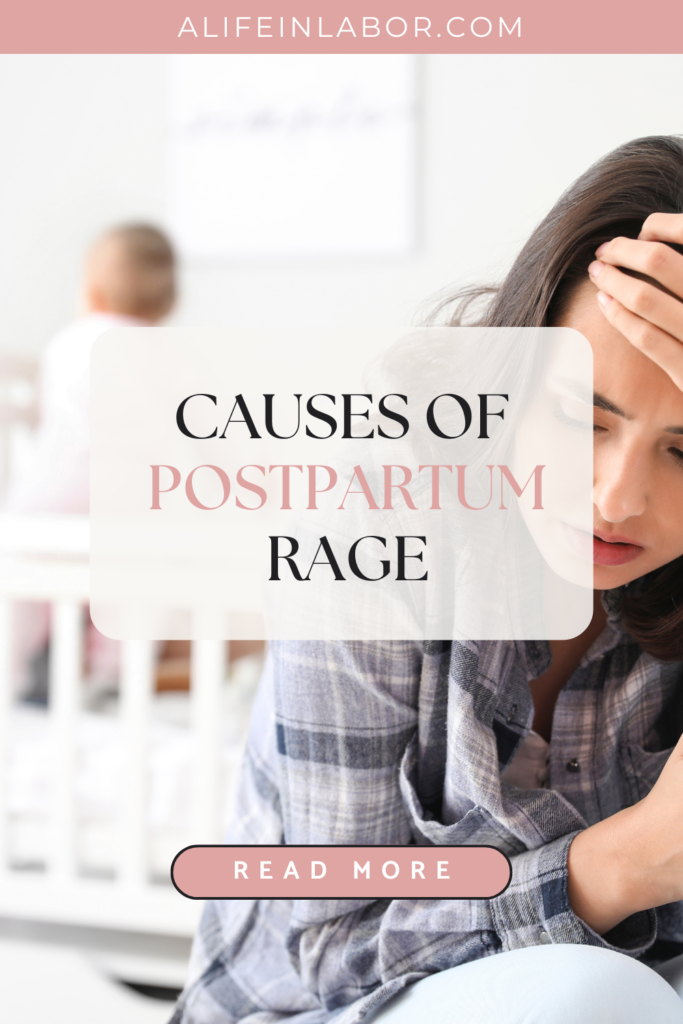
Causes of Postpartum Rage
Understanding why postpartum rage occurs is crucial in learning how to manage it. This intense emotion often stems from a combination of physical, emotional, and situational factors unique to the postpartum period.
1. Hormonal Shifts
After childbirth, levels of estrogen and progesterone drop dramatically. These hormonal changes can affect neurotransmitters in the brain, making you more prone to mood swings, including anger and frustration.
2. Sleep Deprivation
Caring for a newborn often means sleepless nights and interrupted rest. Sleep deprivation reduces your ability to regulate emotions, making it harder to cope with stress and increasing feelings of irritability.
Related Read: How To Get Baby To Sleep Well Right From The Start
3. Overstimulation
The constant demands of motherhood—soothing a crying baby, managing household tasks, and responding to your family’s needs—can lead to sensory overload. This overstimulation can make small frustrations feel overwhelming.
4. Unmet Needs
Many new moms neglect their own needs for rest, nourishment, or personal space. Over time, this lack of self-care can lead to resentment and anger.
5. Underlying Mental Health Conditions
Postpartum rage often overlaps with other mood disorders, such as postpartum depression or anxiety. It may also be a symptom of unrecognized or untreated mental health challenges.
6. Pressure and Expectations
The pressure to be a “perfect mom” or meet societal expectations can create feelings of inadequacy. This internal conflict can manifest as outward anger or frustration.
Are you reading those causes and thinking “Umm, yeah. All of the above!” Well, you're far from alone. These are the things that kind of define motherhood sometimes, right? But that doesn't excuse it as acceptable just because it's typical of what postpartum mothers go through all around us. It's not ok that we have unmet needs, overstimulation, and sleep deprivation along with our very natural and expected hormonal shifts and unavoidable external pressures. But it's reality and you're not alone.
The Connection Between Postpartum Rage and Other Postpartum Mood Disorders
Postpartum rage rarely exists in isolation. Instead, it often coexists with other postpartum mood disorders, such as postpartum depression (PPD) and postpartum anxiety (PPA). Understanding these connections can help you recognize the broader context of your emotions and guide you toward the most effective support and treatment.
Postpartum Depression and Postpartum Rage
Postpartum depression frequently overlaps with postpartum rage. While PPD is often characterized by feelings of sadness, hopelessness, and withdrawal, some mothers may experience these emotions alongside bursts of intense anger. In these cases, postpartum rage can serve as an outward expression of the internal struggles associated with depression.
Signs the Two May Be Connected:
- Persistent sadness or a lack of interest in activities you once enjoyed, coupled with frequent outbursts of anger.
- Difficulty bonding with your baby, which may lead to feelings of guilt and heightened irritability.
- Fatigue and emotional exhaustion that amplify frustration and reduce your ability to manage anger.
Postpartum Anxiety and Postpartum Rage
Mothers experiencing postpartum anxiety may also struggle with rage, particularly when fear or worry becomes overwhelming. The constant state of hypervigilance associated with PPA can lead to feelings of irritability and an inability to cope with minor stressors.
Signs the Two May Be Connected:
- Intrusive thoughts about your baby’s safety, leading to frustration when those fears feel unmanageable.
- Difficulty relaxing or feeling “on edge” even in calm situations, resulting in quick temper flare-ups.
- A sense of being overwhelmed by the responsibilities of motherhood, triggering angry outbursts.
Recognizing the Need for Help
If you’re experiencing postpartum rage along with other symptoms of PPD or PPA, it’s crucial to acknowledge that these feelings are not a reflection of your worth or capabilities as a mother. They are signals that your mind and body are in need of care and support.
Seeking help from a healthcare provider or mental health professional can provide clarity and relief. With the right resources, you can address the root causes of these emotions and find effective strategies for managing them. Remember, you don’t have to navigate this journey alone.
Related Read: Important Postpartum Tips: How to Take Care Of Yourself After Baby
Related Read: How To Create A Postpartum Recovery Kit: What Every New Mom Should Have
Coping Strategies for Postpartum Rage
Managing postpartum rage starts with recognizing it and taking intentional steps to regain control over your emotions. While the journey may feel overwhelming, there are actionable strategies you can implement to ease the intensity of your feelings and promote emotional well-being.
1. Practice Self-Awareness
Understanding your triggers can help you anticipate and manage moments of rage. Keep a journal to track when and why anger arises. Patterns may emerge that reveal common stressors, such as sleep deprivation, unmet needs, or feeling overstimulated.
2. Incorporate Stress Management Techniques
Simple practices like deep breathing, meditation, or yoga can help you reset in moments of high stress. Try a quick deep-breathing exercise: inhale for four counts, hold for four counts, and exhale for eight counts to calm your nervous system.

3. Communicate Openly
Share your feelings with your partner, family, or close friends. Letting others know what you’re experiencing can foster understanding and reduce feelings of isolation. Be specific about the kind of support you need—whether it’s help with household tasks or just someone to listen.
4. Prioritize Rest and Self-Care
Easier said than done, but finding moments to rest is vital. Nap when your baby naps or ask for help from loved ones. Even small acts of self-care, like a relaxing bath or a quiet moment with a cup of tea, can recharge your emotional batteries.
5. Set Boundaries
Learn to say no to additional responsibilities or activities that may add unnecessary stress. It’s okay to protect your time and energy for what matters most.
6. Join a Support Group
Connecting with other mothers who understand your experiences can be incredibly validating. Support groups, whether online or in person, offer a space to share and learn from others navigating similar challenges.
7. Seek Professional Help
If postpartum rage is interfering with your ability to function or maintain relationships, reach out to a healthcare provider or mental health professional. Therapy, such as cognitive-behavioral therapy (CBT), and medication, when necessary, can provide significant relief.
These strategies may not resolve all feelings of anger overnight, but they are steps toward creating a more peaceful and manageable postpartum experience. Remember, it’s okay to ask for help, and you don’t have to face this alone.
When to Seek Professional Help
It’s essential to recognize when postpartum rage becomes more than just an emotional response to stress and instead signals a need for professional support. Reaching out for help is a proactive step toward improving your mental health and overall well-being.
Signs You Should Seek Help:
- Persistent and Intense Anger: If your rage feels uncontrollable or lasts for extended periods, it may indicate an underlying issue that needs attention.
- Physical Symptoms: Experiencing symptoms like headaches, high blood pressure, or insomnia tied to your anger is a sign your body is under significant stress.
- Interference with Daily Life: If your anger affects your ability to care for your baby, maintain relationships, or complete daily tasks, it’s time to seek support.
- Feelings of Hopelessness or Guilt: Constant guilt over your emotions or hopelessness about your situation could indicate postpartum depression or anxiety.
- Thoughts of Self-Harm or Harm to Others: If you ever experience these thoughts, it is crucial to seek immediate help from a healthcare provider or crisis hotline.
How to Seek Support:
- Talk to Your Healthcare Provider: Share your symptoms honestly with your OB-GYN, primary care doctor, or pediatrician. They can guide you to appropriate resources.
- Reach Out to a Therapist: Mental health professionals specializing in postpartum care can provide therapy tailored to your needs, such as cognitive-behavioral therapy (CBT).
- Consider Medication: In some cases, medication like antidepressants or anti-anxiety drugs can help regulate emotions and manage postpartum rage.
- Explore Community Resources: Local support groups, parenting organizations, and online forums can provide additional support.
Crisis Support:
If you ever feel that your safety or your baby’s safety is at risk, call a crisis hotline or go to the nearest emergency room immediately. The National Maternal Mental Health Hotline at 1-833-943-5746 (1-833-9-HELP4MOMS) is a free resource available 24/7 for guidance and support.
Seeking help is not a sign of weakness but a powerful act of self-care. Addressing postpartum rage early can lead to faster recovery and a more fulfilling experience in your motherhood journey.
Postpartum Rage Conclusion
Navigating postpartum rage can feel isolating and overwhelming, but it’s important to remember that you’re not alone in this journey. The postpartum period is a time of immense change, and experiencing intense emotions is a natural response to the challenges and demands of motherhood. Recognizing postpartum rage, understanding its causes, and taking steps to address it are critical for your well-being and that of your family.
Whether you’re managing these feelings on your own or seeking support from loved ones and professionals, know that help is available. Reaching out is a sign of strength, not weakness, and it can lead to meaningful relief and healing. By prioritizing your mental health and emotional well-being, you’re also setting the foundation for a healthier and happier experience as a mother.
You are not defined by your moments of anger but by the love and care you give to your baby and yourself. There’s a community of support ready to stand by you—don’t hesitate to lean on it. You’re not alone, and brighter days are ahead. 💕
If you're reading this while you're still pregnant, I encourage you to prepare ahead for the postpartum season and all of the ups, downs, twists, and turns that come along with this season. I've created the Postpartum: Life After Labor postpartum recovery course so that you can learn what to expect and how you can manage the ins and outs of recovering mentally and physically in the days, weeks, and early months after birth.