

The Golden Hour After Birth: Why These First Moments Matter More Than You Think
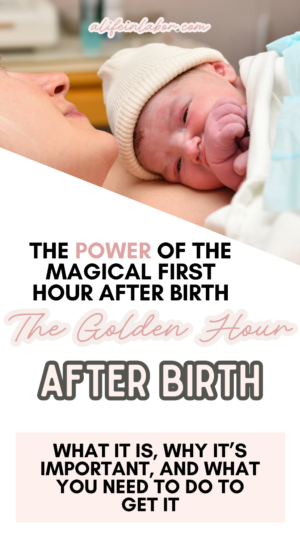
Picture this: You’ve just given birth, and your newborn is placed directly on your chest. Their tiny body, fresh from the womb, snuggles into you, skin-to-skin. Their breathing slows, their heartbeat syncs with yours, and for a moment, the world disappears. This is the golden hour—the sacred first 60 minutes after birth that set the stage for your baby’s transition into the world.
But what makes this time so important? More than just a heartwarming moment, the golden hour is backed by science as one of the most critical periods for both you and your baby. From regulating vital signs to boosting breastfeeding success, these first moments offer benefits that last a lifetime.
Unfortunately, many parents aren’t aware of the power of this hour—or that they may need to advocate for it in certain birth settings. Whether you’re planning a hospital birth, a home birth, or something in between, understanding the golden hour can help you make informed decisions for both you and your baby.
As a labor and delivery nurse for over a decade, I have so much to share with you. So, in this post, we’ll dive into what the golden hour really is, why it matters, and how you can ensure you and your baby get the most out of this once-in-a-lifetime moment.


Wondering who I am and why I'm giving advice? I'm a mom of three and a labor and delivery nurse. I've assisted in thousands of births and helped countless women on their journey to an empowered motherhood journey. I want to bring my knowledge and genuine mom advice to you. I'm so glad you're here. If you're looking for someone to talk to or lean on in this new mom life, I'm your girl.
Please note: The views on this website are personal opinions only and do not represent the opinions or policies of any provider or institution that I am affiliated with. I am not giving medical advice. Information on this website is not intended to diagnose, or treat any form of any disease. This article is for informational and entertainment purposes only. I am only telling you what my experiences are. Please refer to my Disclaimer Page for more information.
This post may contain affiliate links.
What Is the Golden Hour After Birth?
The golden hour refers to the first 60 minutes after birth when a newborn is placed directly on their mother’s bare chest, uninterrupted, for skin-to-skin contact. It’s a time of adjustment, where baby transitions from the warmth and security of the womb to the outside world.
During this hour, many natural instincts kick in. Your baby will likely be in a quiet, alert state, gazing up at you, feeling your warmth, and even beginning to root around for their first feed. This period is about more than just bonding—it’s a biological process that helps stabilize baby’s heart rate, temperature, and breathing while also flooding mom’s body with oxytocin, the “love hormone”, that encourages bonding and milk production.
Hospitals and birth centers are increasingly recognizing the importance of this practice, integrating it into standard postpartum care whenever possible. In fact, the World Health Organization (WHO) and American Academy of Pediatrics (AAP) both recommend immediate skin-to-skin contact after birth as the gold standard for newborn care.
Be Ready When Labor Starts:
Grab the Free
Ultimate Hospital Bag Checklist

From a labor nurse and mom of 3—here’s exactly what you really need in your hospital bag. Download the free checklist now.

Historically, the golden hour wasn’t always prioritized. For decades, routine newborn care involved whisking babies away for weighing, measuring, and other assessments before they even had a chance to meet their parents. However, research has shown that these procedures can often wait—and that keeping mom and baby together immediately after birth has far greater benefits.
The Science Behind the Golden Hour
The golden hour isn’t just a sweet bonding moment—it’s a crucial biological process that helps both mother and baby transition smoothly after birth. The benefits are deeply rooted in science, affecting everything from a newborn’s vital signs to a mother’s recovery and emotional well-being.
How the Golden Hour Affects Baby
As soon as your baby is placed skin-to-skin on your chest, a cascade of physiological changes begins:
- Stabilized Vital Signs – Research shows that babies who experience immediate skin-to-skin contact have more stable heart rates, breathing patterns, and body temperatures compared to those who are separated from their mothers. This is because your chest naturally adjusts to help regulate your baby’s body temperature.
- Lower Stress Levels – Birth is a big adjustment for your little one! Skin-to-skin contact helps reduce cortisol (the stress hormone), keeping baby calm and relaxed.
- Improved Breastfeeding Success – During the golden hour, babies go through a natural sequence of behaviors, often referred to as the “breast crawl,” where they instinctively move toward the breast, latch, and begin feeding. Early breastfeeding during this time helps establish a strong latch and increases the chances of long-term nursing success.
- Boosted Immune System – Skin-to-skin contact exposes baby to the mother’s microbiome, which helps build their immune system and protects against infections.
How the Golden Hour Affects Mom
The benefits aren’t just for baby—moms experience powerful biological and emotional changes during this hour, too:
- Increased Oxytocin (the “Love Hormone”) – Skin-to-skin contact triggers a rush of oxytocin, which strengthens bonding and maternal instincts. This hormone also helps reduce the risk of postpartum depression.
- Better Uterine Contractions and Reduced Bleeding – Oxytocin also plays a role in helping the uterus contract, which minimizes postpartum bleeding/hemorrhage and helps with overall recovery.
- Stronger Breastfeeding Initiation – The combination of oxytocin and baby’s natural instincts makes breastfeeding during the golden hour easier and more likely to succeed. Studies show that mothers who nurse within the first hour are more likely to continue breastfeeding long-term.
This scientific evidence makes it clear: the golden hour isn’t just a “nice-to-have” moment—it’s a critical part of the postpartum experience that benefits both mom and baby in powerful ways.
Key Benefits of the Golden Hour for Baby
The golden hour is one of the most important times in a newborn’s life, setting the stage for healthy development and a smooth transition to the outside world. Here’s how your baby benefits from this uninterrupted skin-to-skin contact:
1. Stabilization of Vital Signs
After birth, babies must quickly adapt to life outside the womb. Immediate skin-to-skin contact helps regulate:
- Heart rate and breathing – Your baby’s heart rate and oxygen levels stabilize more quickly when they are placed on your chest.
- Body temperature – Your body acts as a natural incubator, keeping baby warm and preventing hypothermia.
- Blood sugar levels – The stress of birth can cause a drop in blood sugar, but skin-to-skin contact helps stabilize it naturally.
2. Boosted Immune System
When baby is placed directly on your chest, they are exposed to your microbiome—the beneficial bacteria from your skin and breast—which helps strengthen their immune system. This exposure reduces the risk of infections and promotes gut health.
3. Reduced Stress and Crying
Newborns experience stress during birth, but skin-to-skin contact immediately calms them. Studies show that babies who stay with their mothers during the golden hour cry significantly less than those who are separated. This is because being close to you regulates their stress hormones, creating a sense of safety and security.
4. Improved Breastfeeding Success
The first hour after birth is the ideal time to initiate breastfeeding. Babies have a natural instinct to root, crawl toward the breast, and latch. Research shows that breastfeeding within the golden hour leads to:
- A stronger latch, making nursing easier for both mom and baby.
- Increased milk production, as early suckling stimulates the release of prolactin and oxytocin, which are essential for milk supply.
- Longer breastfeeding duration, with moms who breastfeed in the first hour being more likely to continue nursing long-term.
Key Benefits of the Golden Hour for Mom
The golden hour isn’t just magical for baby—it’s also an incredibly beneficial time for new moms. Here’s why you’ll want to prioritize this time for yourself:
1. Strengthened Emotional Bonding
The release of oxytocin during skin-to-skin contact enhances maternal bonding. This hormone, often called the “love hormone,” promotes feelings of deep connection and helps moms feel more confident in caring for their newborn.
2. Faster Postpartum Recovery
Oxytocin doesn’t just help with bonding—it also encourages the uterus to contract, reducing postpartum bleeding and promoting healing. The sooner baby is placed on your chest, the sooner your body starts this recovery process.
3. Reduced Risk of Postpartum Depression
The emotional benefits of early bonding can help lower stress and anxiety levels. Studies suggest that mothers who experience immediate skin-to-skin contact are less likely to develop postpartum depression and anxiety.
4. Increased Breastfeeding Success
Just as baby benefits from early breastfeeding, moms do too! The stimulation from baby’s first suckling helps:
- Trigger the milk supply and establish a steady flow.
- Reduce the likelihood of engorgement and breastfeeding complications.
- Strengthen the breastfeeding relationship, making long-term nursing easier.
By prioritizing the golden hour, moms can experience a smoother postpartum transition with both physical and emotional benefits.
Related Read: The #1 Way to Ensure Breastfeeding Success Immediately after Birth
How to Make the Most of Your Golden Hour
The golden hour is one of those moments in birth that can feel almost surreal. You’ve just gone through the incredible, intense journey of bringing your baby into the world, and suddenly, they’re placed on your chest—tiny, warm, and completely dependent on you. It’s a moment of pure connection, and beyond the emotional magic, there are real, science-backed benefits to making the most of this time.
But here’s the thing—this hour isn’t guaranteed unless you advocate for it. As a labor nurse, I’ve seen how easily it can be disrupted, and as a mom, I know how precious those first moments are. So, let’s talk about what you can do to protect this time and ensure you and your baby get the full benefits of the golden hour.

1. Make Skin-to-Skin a Priority
From the moment your baby is born, they should go directly onto your bare chest, skin to skin, with a warm blanket draped over you both. This helps regulate their body temperature, heart rate, and breathing while also kickstarting the bonding process.
Before birth, talk to your provider about making uninterrupted skin-to-skin a priority in your birth plan. In most cases, things like weighing, measuring, and even that first bath can wait. Your baby doesn’t need anything more in those first moments than you.
Related Read: The Power of Touch: Unveiling the Benefits of Skin-to-Skin Contact from Birth and Beyond
2. If You Have a C-Section, Ask About Gentle Cesarean Options
If you’re having a cesarean birth, that doesn’t mean you have to miss out on skin-to-skin. Many hospitals now offer gentle cesarean practices, where baby is placed on mom’s chest while the surgery is completed. If that’s not possible, your partner can step in and do skin-to-skin with baby until you’re ready.
3. Limit Unnecessary Interruptions
The golden hour isn’t just about closeness—it’s also about protecting the calm, quiet environment that helps baby adjust. Ask your nurses to delay routine procedures unless medically necessary. Things like:
- The Apgar score? That can often be assessed while baby is on your chest.
- Newborn weight and measurements? They can wait.
- First bath? Delaying it until you're home actually helps protect your baby’s skin and immune system.
If hospital staff or well-meaning visitors try to rush the process, it’s okay to kindly remind them that this time is important and that you’d like to wait on non-urgent procedures.
4. Involve Your Partner
Skin-to-skin isn’t just for moms. If you need extra support after birth, your partner can step in to hold baby close. This is especially helpful after a C-section or if mom is feeling weak. Babies respond to their parents’ voices, touch, and warmth—so even if mom isn’t able to do immediate skin-to-skin, baby can still experience that same sense of security with their other parent.
5. Follow Baby’s Lead (Especially with Breastfeeding)
Your baby is born with instincts, and during the golden hour, they’ll likely go through a natural sequence of behaviors. They may cry at first, then enter a quiet alert phase where they gaze up at you, recognizing your voice and scent. Eventually, they’ll start rooting and seeking the breast, a process often called the “breast crawl.”
Some babies latch right away, while others take their time. Both are completely normal. Even if your baby doesn’t nurse immediately, having them skin-to-skin stimulates your milk supply and gets things off to a strong start. No pressure, no rush—just connection.
Related Read: Mastering Breastfeeding: Essential Latch Tips for New Moms
6. Savor the Moment
It’s easy to get caught up in the excitement (and exhaustion) of birth, but this first hour is a time to pause, breathe, and soak it all in. Your baby has only ever known the sound of your heartbeat, and now, in your arms, they’re learning that the world outside the womb is safe, warm, and full of love.
You won’t get these first moments back, so let the world wait—just for a little while.
What If the Golden Hour Doesn’t Go as Planned?
The truth is, no matter how much we prepare, birth can be unpredictable. As both a labor nurse and a mom, I know that sometimes things don’t unfold exactly as we envision. Maybe you had an emergency C-section, your baby needed extra medical attention, or you just felt too overwhelmed to fully soak in that first hour. If your golden hour didn’t go as planned, I want you to hear this—it’s okay. Bonding isn’t confined to one magical hour; it’s built in every moment of closeness, every feed, and every time you hold your baby against your chest in the hours and days that follow.
1. If Baby Needs Medical Intervention
There are times when a baby needs immediate medical care, and in those moments, their safety comes first. If your baby is taken to the NICU or requires special monitoring, it’s natural to feel a sense of loss for those first moments. But know this—the opportunity for bonding isn’t lost.
Once baby is stable, ask about skin-to-skin as soon as possible. Even in the NICU, many hospitals encourage kangaroo care, where parents can hold their baby skin-to-skin, even with monitors and IVs in place. If physical contact isn’t possible right away, you can still talk to your baby, hold their hand, and be present—your voice and scent are familiar and reassuring to them.
2. If You Had a C-Section and Couldn’t Hold Baby Immediately
C-sections can sometimes delay skin-to-skin, but that doesn’t mean you have to miss out entirely. If baby was taken for monitoring or if you were recovering, ask your nurses to help facilitate skin-to-skin as soon as you’re able. If that means waiting until you’re in the recovery room, that’s okay. And if you’re not physically able to hold baby right away, your partner can step in. Skin-to-skin with dad or another parent provides many of the same benefits and keeps baby feeling warm and secure.
3. If You Felt Too Overwhelmed in the Moment
Let’s be real—birth is intense. You might be physically exhausted, emotionally drained, or even struggling to process what just happened. Some moms feel immediate euphoria after birth, while others feel a little shell-shocked—and both experiences are completely normal.
If you weren’t able to fully focus on the golden hour in the way you’d hoped, give yourself grace. Bonding isn’t about a single hour; it’s about ongoing connection. The first feed, the first time you hold your baby skin-to-skin when you feel ready—those moments matter just as much.
Related Read: The Emotional Rollercoaster: Understanding Postpartum Mood Changes
4. If Breastfeeding Didn’t Happen Right Away
While the golden hour is a great time to establish breastfeeding, not every baby latches right away. Some take a little longer to get the hang of it, and that’s perfectly normal. If your baby didn’t nurse immediately after birth, don’t stress—there are still plenty of ways to support a strong breastfeeding journey. Keep your baby close, offer skin-to-skin whenever possible, and let them nurse frequently in those early hours and days. Milk production is a process, not a race.
Related Read: Breastfeeding After C-Section – What you need to know with Jacque Ordner
5. If You’re Struggling Emotionally After a Difficult Birth
If your birth didn’t go as planned—whether due to complications, interventions, or an unexpected turn of events—it’s okay to grieve the experience while still celebrating the arrival of your baby. Postpartum emotions can be overwhelming, and you don’t have to process them alone.
Talk to your partner, your provider, or someone you trust. Give yourself permission to acknowledge your feelings without guilt. The golden hour is special, but it’s not the only opportunity to bond. Every time you hold, feed, comfort, and care for your baby, you’re strengthening that connection.
It’s Never Too Late to Bond
The beauty of motherhood is that bonding isn’t about a perfect moment—it’s about the sum of all the little moments that follow. Whether your golden hour was picture-perfect or nothing like you imagined, what matters most is the love you pour into your baby every single day.
The golden hour is such a powerful start—but it’s really just the beginning of your postpartum experience.
Because once those first moments pass, you’re stepping into a whole new season—one filled with healing, feeding, learning your baby, and figuring out your new rhythm day by day.
That’s exactly why I created Postpartum: Life After Labor.
Inside, I walk you through what actually happens after birth—from physical recovery and emotional changes to newborn care and what’s truly normal in those early weeks. It’s designed to help you feel prepared, supported, and confident, instead of overwhelmed and unsure of what’s coming next.
Because you deserve to feel just as held and supported after birth as you did preparing for it.
You’re not meant to navigate postpartum alone.
Final Thoughts
The golden hour after birth is more than just a sweet, sentimental moment—it’s a powerful time that has real, lasting benefits for both you and your baby. From stabilizing their breathing and body temperature to encouraging breastfeeding and strengthening your bond, those first 60 minutes set the foundation for a healthy start to life outside the womb.
But here’s what I want you to remember—whether your golden hour goes exactly as planned or not, your connection with your baby isn’t defined by a single moment. Bonding happens in the skin-to-skin snuggles that follow, in the middle-of-the-night feeds, and in the way your baby relaxes in your arms simply because they know they are safe with you.
If you’re still pregnant, take the time to talk with your provider about your birth plan and advocate for uninterrupted skin-to-skin whenever possible. If your birth takes an unexpected turn, know that there are always ways to nurture your bond, even if it doesn’t happen in that very first hour.
At the end of the day, what matters most is the love and care you give your baby—not just in those first moments, but in all the moments to come.



Be Ready When Labor Starts: Grab the Free Ultimate Hospital Bag Checklist


