
How to Have a Gentle C-Section: A Guide to a Calmer, More Personalized Birth

Working for over a decade as a labor and delivery nurse has afforded me many opportunities to witness C-Sections of all kinds. Emergent C-Sections, C-Sections after many hours or days of labor, elective C-Sections because of mom's preference, twin C-Sections, and even gentle C-Sections.
For many expectant parents, the idea of a C-section can feel clinical and impersonal. However, with a growing focus on creating more family-centered and personalized birth experiences, the concept of a gentle C-section is becoming increasingly popular. This approach transforms a surgical delivery into a calmer, more nurturing event that prioritizes bonding and emotional connection, even in the operating room.
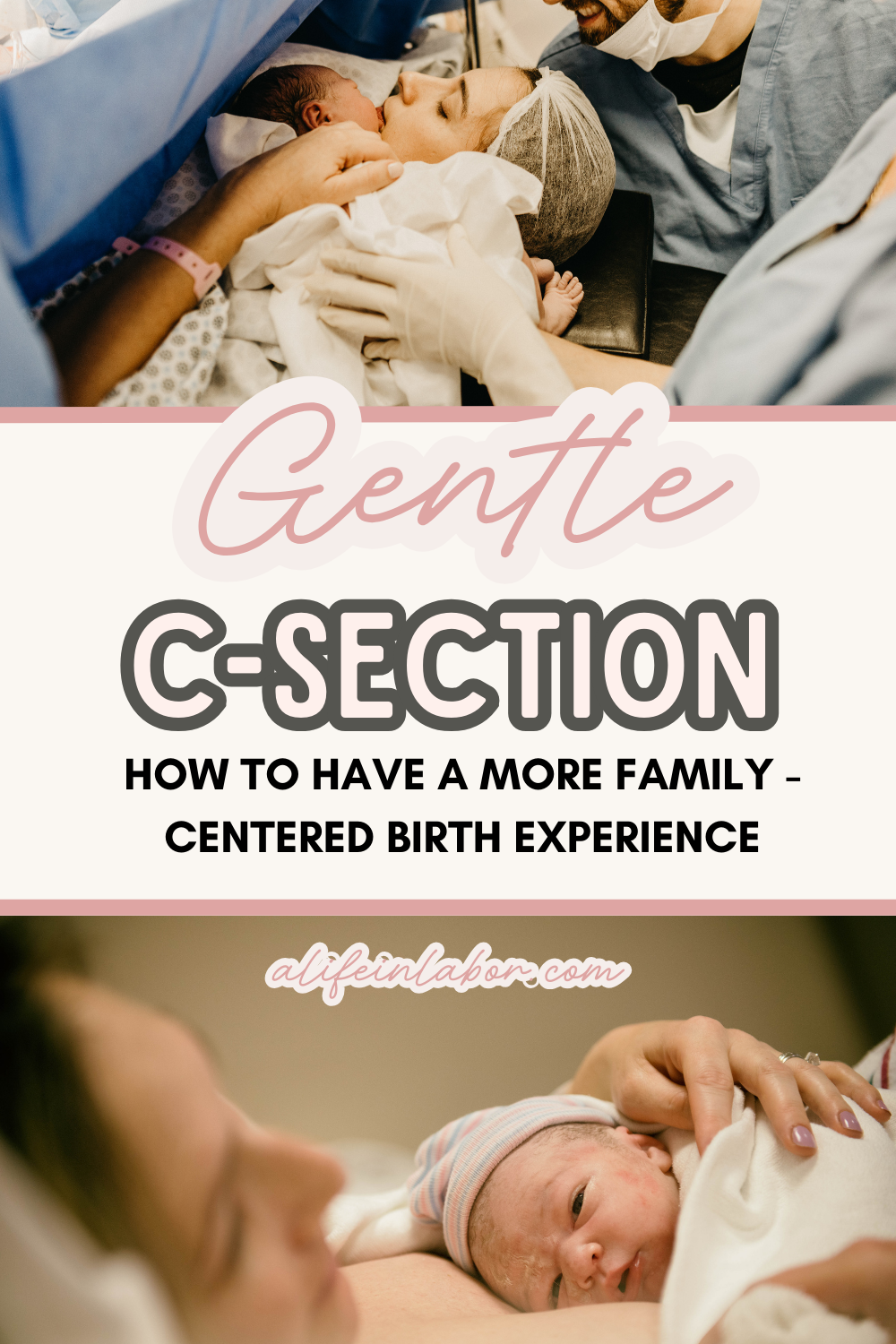
A gentle C-section can incorporate practices such as clear drapes for witnessing your baby’s birth, immediate skin-to-skin contact as often as possible, and delayed cord clamping whenever possible. These elements aim to mimic aspects of a vaginal delivery, allowing you to feel more involved and connected during the birth process.
In this post, we’ll explore how to have a gentle C-section, covering everything from preparation and communication with your healthcare team to practical steps for achieving a calmer, more personalized delivery. Whether your C-section is planned or unexpected, this approach ensures your voice is heard and your birthing experience is as positive and empowering as possible.


Wondering who I am and why I'm giving advice? I'm a mom of three and a labor and delivery nurse. I've assisted in thousands of births and helped countless women on their journey to an empowered motherhood journey. I want to bring my knowledge and genuine mom advice to you. I'm so glad you're here. If you're looking for someone to talk to or lean on in this new mom life, I'm your girl.
Understanding What a Gentle C-Section Involves
A gentle C-section, sometimes called a family-centered cesarean, is a modern approach to cesarean delivery that maintains the safety of a standard cesarean but adds a focus on creating a calmer, more personalized experience for the mother, baby, and family unit by incorporating options like immediate skin-to-skin, delayed cord clamping, and partner involvement. It combines elements of traditional C-sections with practices designed to foster bonding and reduce stress, making the procedure feel more like a family-centered birth.

What Is a Gentle C-Section?
While a gentle C-section maintains the safety and precision of a traditional cesarean, it emphasizes the importance of incorporating adjustments to enhance the mother’s involvement and the baby’s transition into the world.
- Possible Features To Request or ask your team about:
- Use of clear or lowered drapes so the mother can witness the baby’s birth if desired.
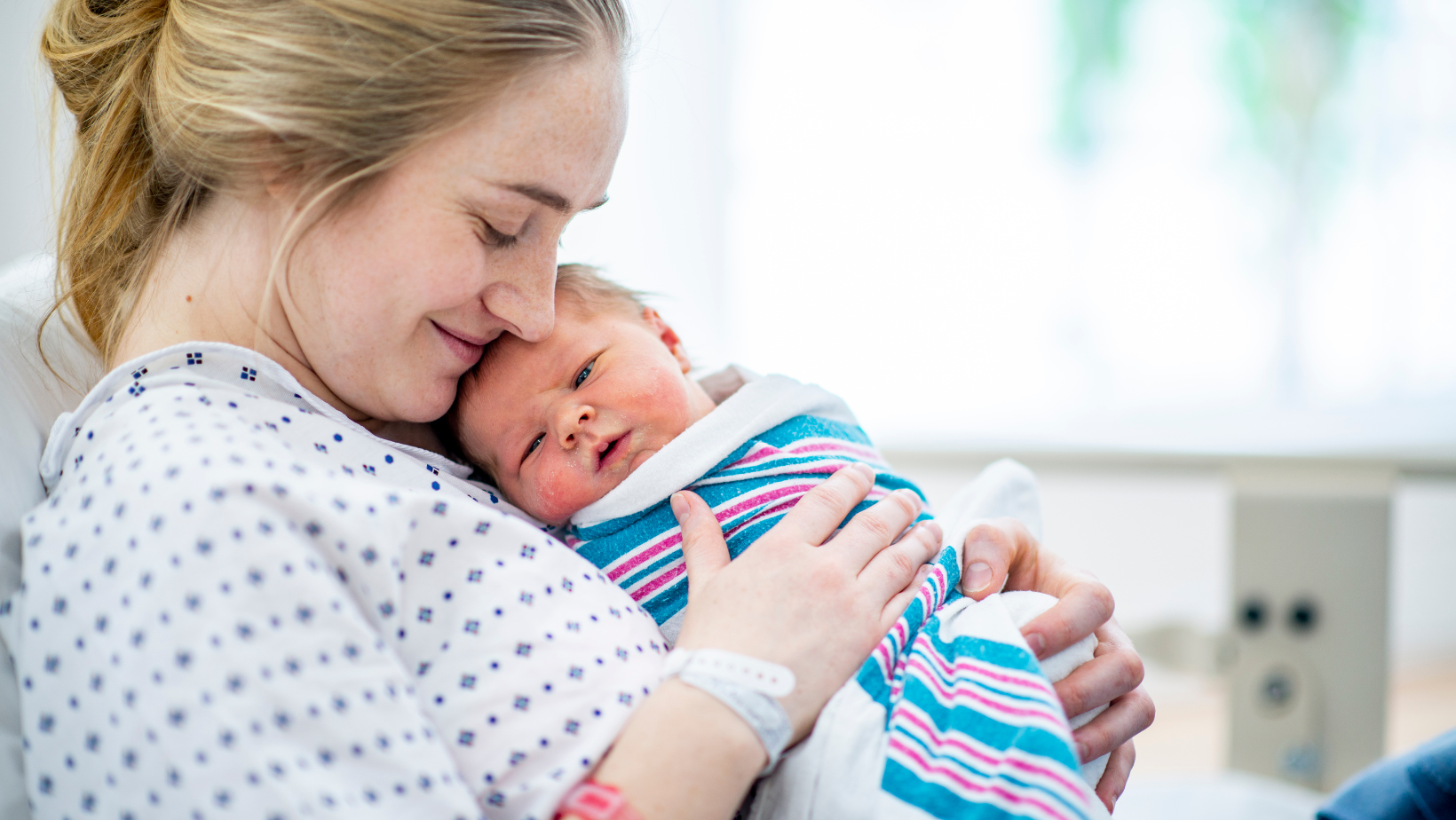
- Immediate or early skin-to-skin contact between the mother and baby.
- Delayed cord clamping to allow more time for blood flow to the baby.
- Calming elements, such as music or soft lighting, to create a soothing atmosphere.
- A Personalized Approach: Unlike traditional C-sections, which often feel highly clinical, a gentle C-section emphasizes the emotional and sensory experience. For example, instead of whisking the baby away for routine care immediately, the baby may be placed on the mother’s chest for bonding right in the operating room as long as it remains safe.

Benefits of a Gentle C-Section for Mom and Baby
The gentle C-section approach offers both physical and emotional benefits for mothers, babies, and even partners.
- For the Mother:
- Feeling more involved in the birth process can reduce feelings of disconnect or disappointment, especially if a vaginal birth was initially planned.
- Early skin-to-skin contact promotes bonding and supports the release of oxytocin, which can enhance recovery and breastfeeding.
- For the Baby:
- Practices like delayed cord clamping and skin-to-skin contact support a smoother transition to life outside the womb, helping regulate the baby’s heart rate, temperature, and breathing.
- Exposure to the mother’s microbiome during immediate contact may provide health benefits for the baby’s immune system.
- For the Partner:
- Gentle C-sections often encourage the involvement of the partner or support person, allowing them to feel more engaged and connected during the birth.
- Ask your provider to leave the umbilical cord long so that there is enough space for Dad to cut the cord if that is a tradition the family would like to keep.
Related Read: When Your Unmedicated Birth Plan Ends In C-Section
Related Read: Dads In The Delivery Room – What NOT To Do
By understanding what a gentle C-section involves, you can begin to envision a delivery experience that aligns with your values and preferences. This knowledge lays the foundation for planning and communicating your ideal birth scenario with your healthcare team.
How to Prepare for a Gentle C-Section
Achieving a gentle C-section starts with preparation and communication. By planning ahead and working collaboratively with your healthcare team, you can ensure your preferences are understood and prioritized.
Discussing Options with Your Healthcare Provider
Open communication with your provider is key to making a gentle C-section possible. Many of the elements involved require specific arrangements, and your doctor’s support can make all the difference.
- Start Early: Bring up the idea of a gentle C-section (or the specific elements that you're interested in the most) during one of your prenatal appointments. This gives your provider time to assess your medical history and determine which aspects of a gentle C-section are feasible for your situation.
- Understand Limitations: Certain practices may not be possible in every scenario, particularly during emergency situations. Understanding these limitations in advance can help you approach the process with realistic expectations.
What To Ask Your Team Before Delivery Day
- Do you allow skin-to-skin in the OR?
- Is delayed cord clamping possible during my cesarean birth?
- Can my partner stay with me the whole time?
- Can baby assessments happen on or near me when possible?
- Can I use a clear drape or have the drape lowered during delivery?
- What accommodations can be made for a calming environment in the operating room?
Creating a Gentle C-Section Birth Plan
A well-crafted birth plan is a vital tool for ensuring your preferences are communicated clearly to your care team.
- What to Include: Focus on the key elements of a gentle C-section, such as:
- Type of anesthesia (e.g., spinal versus general).
- Clear or lowered drape options.
- Immediate skin-to-skin contact.
- Delayed cord clamping.
- Vaginal Seeding
- Use of calming music or dimmed lights in the operating room.
- Collaborate with Your Team: Share your birth plan with your provider and discuss any necessary modifications. Your team can provide input on what’s feasible and ensure that everyone is aligned on your preferences.
- Prepare for Flexibility: While it’s important to advocate for your ideal birth experience, it’s equally crucial to remain flexible. Circumstances can change quickly during delivery, and your care team will always prioritize safety for you and your baby.
By taking these preparatory steps, you can set the stage for a more personalized and fulfilling cesarean experience. Whether your C-section is planned or unexpected, having open conversations and a clear plan in place ensures your voice is heard every step of the way.

Steps to Achieve a Gentle C-Section
Creating a gentle C-section experience involves integrating specific practices before, during, and immediately after surgery. These steps can help make your cesarean delivery feel more personal, calm, and connected.
Pre-Surgery Practices
The moments leading up to surgery are an opportunity to set the tone for a gentle and positive experience.
- Aromatherapy: If permitted, consider bringing a hospital-approved diffuser or essential oils to enhance relaxation during pre-op before you get to the OR.
- Meet the Surgical Team: Request introductions to the team members who will be present during the procedure. Familiarity with your care team can create a sense of trust and ease. Knowing who is assisting can make the environment feel less clinical and more personal. Ask if a specific nurse or midwife can stay with you for emotional support
- Customize the Environment: Discuss options for a calming atmosphere. Some hospitals allow:
- Soft Music: Create a playlist of your favorite calming tracks or request the team to play instrumental or nature sounds.
- Prepare for Comfort: If you have concerns about aspects like IV placement or nausea, request comfort measures in advance.
- Use numbing cream or ice packs before IV placement.
- Request anti-nausea medication preemptively if you’re prone to motion sickness or anxiety.
- Mindfulness Practices: Practice relaxation techniques such as deep breathing or guided imagery while waiting for surgery. Bring noise-canceling headphones or an eye mask to help you relax.

During Surgery
While C-sections are highly structured procedures, there are ways to make the experience more family-centered:
- Use of a Clear or Lowered Drape: A clear drape allows you to witness the moment your baby is born while maintaining the sterile field. If you prefer, ask for the drape to be lowered briefly at the time of delivery. Some hospitals provide a two-way drape that lets you adjust visibility according to your comfort.
- Involve Your Support Person: Request your partner or support person be positioned close enough to hold your hand or provide comforting words.
- Some hospitals may allow your support person to cut the umbilical cord or take photos (within sterile guidelines).
- Active Communication: Communicate your preferences regarding updates during surgery:
- Regular Updates: Ask the surgical team to explain what’s happening in real time to help you feel involved.
- Minimal Talking or side conversations during the birth: Request a quieter environment with only essential communication during the moments of your baby's birth.
- Additional Sensory Comforts:
- Use calming breathing exercises during moments of heightened anxiety.
- Ask for a warm blanket if you feel cold due to the sterile operating room environment.
Baby’s First Moments
One of the hallmarks of a gentle C-section is prioritizing immediate bonding and care for the baby.
- Immediate Skin-to-Skin Contact:
- If it’s safe, request the baby be placed directly on your chest or abdomen after delivery. If direct contact isn’t possible, the baby can be held near your face by a nurse or support person.
- Use a kangaroo care wrap to facilitate skin-to-skin without interfering with surgical procedures.
- Delayed Cord Clamping:
- If your baby’s condition allows, request delayed cord clamping for 30-60 seconds or more to allow optimal blood flow and nutrient transfer.
- Gentle Baby Handling:
- Request that the baby’s first check-up and cleaning be done in the operating room instead of a separate area to keep your baby close.
- Ask for soothing techniques such as gentle swaddling or dim lighting during initial assessments.
- Early Breastfeeding Opportunities:
- Request breastfeeding assistance in the operating room or recovery room as soon as possible after surgery.
- If you cannot breastfeed immediately, ask your partner or support person to provide skin-to-skin contact to maintain bonding.
- Family-Centered Baby Introduction:
- If you have older children or other family members waiting, consider asking for a brief family meeting in the recovery room to share the first moments together.
By taking these steps, you can create a birth experience that is both meaningful and aligned with your personal values. These practices ensure that your gentle C-section not only prioritizes safety but also fosters connection, comfort, and emotional well-being for you and your family.

Recovery After a Gentle C-Section
Recovering from a gentle C-section requires attention to both your physical healing and emotional well-being. While the procedure itself is a major surgery, incorporating gentle practices can help make the recovery process smoother and more family-centered.
Managing Postoperative Care
Proper self-care is essential for healing after a C-section. Gentle recovery practices focus on minimizing pain, protecting your incision, and gradually regaining strength.
- Pain Management:
- Take prescribed medications as directed to stay ahead of the pain. Avoid waiting until discomfort becomes severe.
- Explore non-medication options like ice packs, heating pads, or guided relaxation techniques to ease tension and discomfort.
- Incision Care:
- Keep the incision clean and dry, following your doctor’s instructions for care. Use gentle soap and water during showers, and pat dry carefully.
- Watch for signs of infection, such as redness, swelling, or discharge, and contact your healthcare provider immediately if they occur.
- Mobility Support:
- Begin walking as soon as your doctor advises, as gentle movement can prevent blood clots and promote circulation.
- Use tools like an abdominal binder to provide support while moving and reduce strain on your incision.
Emotional Recovery
The emotional aspects of recovery are just as important as the physical ones. A gentle C-section approach can help mitigate feelings of disappointment or detachment that some mothers experience with surgical births.
- Celebrate Small Wins:
- Acknowledge milestones in your recovery, such as walking a little farther each day or breastfeeding successfully.
- Focus on the positives of your birth experience, including the moments of bonding and connection.
- Seek Support:
- Share your feelings with loved ones or join a support group for mothers who have experienced C-sections. Talking about your experience can help you process any emotions and build a sense of community.
- If feelings of sadness or anxiety persist, consider speaking with a counselor or therapist specializing in postpartum care.
By prioritizing bonding, self-care, and emotional well-being, you can navigate your gentle C-section recovery with confidence and grace. These practices not only support your healing but also allow you to fully embrace the joys of motherhood.
Related Read: When Your Unmedicated Birth Plan Ends in a C-Section: Finding Strength, Healing, and Hope
Gentle C-Section FAQs
As more mothers explore the idea of a gentle C-section, common questions arise about how this approach works and what to expect. Here are answers to some frequently asked questions to help you feel informed and prepared.
Can a Gentle C-Section Be Planned for Medical Reasons?
Yes, a gentle C-section can absolutely be planned, even when a cesarean is medically necessary.
- Personalizing Your Experience: Whether your C-section is due to medical concerns, a breech baby, or a previous cesarean, you can still incorporate gentle practices. Discuss your preferences with your healthcare provider to determine what adjustments can be made to create a more family-centered experience.
- Advance Preparation: Planning in advance allows your care team to accommodate requests like clear drapes, calming music, or immediate skin-to-skin contact.
Are Gentle C-Sections Possible During Emergency Deliveries?
While emergencies require prioritizing safety and speed, elements of a gentle C-section can sometimes be incorporated.
- What Might Be Possible: Practices like delayed cord clamping or skin-to-skin contact in the recovery room may still be feasible, depending on the circumstances.
- Flexibility Is Key: In emergency situations, it’s important to trust your medical team to make the best decisions for you and your baby. Communicate your wishes, but remain open to adjustments if safety is a concern.
What if My Hospital Doesn’t Support Gentle C-Section Practices?
Not all hospitals are fully equipped to accommodate every gentle C-section request, but there are still ways to advocate for a more personalized experience.
- Ask Questions: Find out what accommodations your hospital can provide. For example, some hospitals may not have clear drapes but might allow you to see your baby immediately after delivery.
- Bring Your Support Person: Your partner or support person can play a key role in ensuring some gentle practices, like early bonding or helping you breastfeed, are prioritized even if other requests aren’t possible.
- Explore Other Options: If gentle practices are very important to you, consider researching other hospitals or birthing centers that specialize in family-centered C-sections.
Can I Have a Gentle C-Section if I’ve Had Multiple Cesareans?
Yes, many mothers who’ve had previous C-sections can still incorporate gentle practices into their delivery.
- Consider Your Medical History: Speak with your provider about the feasibility of including gentle C-section practices based on your unique circumstances.
- Focus on What’s Safe: Elements like a calming environment, partner involvement, or immediate skin-to-skin contact can often be included even after multiple cesareans.
How Do I Ensure My Gentle C-Section Preferences Are Respected?
The key to ensuring your preferences are respected lies in communication and preparation.
- Share Your Birth Plan: Provide your healthcare team with a clear and concise gentle C-section birth plan well in advance of delivery. Highlight your most important requests. It's a good idea to include a section on your birth plan about C-section preferences, even if you are planning a vaginal birth.
- Ask for Collaboration: Work with your provider to align your preferences with what’s medically feasible. Open dialogue helps build trust and ensures mutual understanding.
- Involve Your Support Person: Encourage your partner or support person to familiarize themselves with your birth plan so they can advocate for your wishes during delivery.
By addressing these common questions, you can approach your gentle C-section with greater confidence and clarity. Understanding what’s possible and maintaining open communication with your healthcare team ensures a positive and empowering birth experience.
Learn More About C-Sections of all Kinds (including Gentle C-Sections)
A gentle C-section transforms a traditional surgical birth into a more personal, family-centered experience, emphasizing bonding, comfort, and emotional well-being. While the procedure is still a cesarean delivery, incorporating simple changes can make a significant difference in how you feel during and after the birth of your baby.
…But if the thought of a C-section still has you spiraling a little, you are not alone.
For so many moms, a cesarean can feel like the big unknown — especially if you’re trying to prepare for all the possibilities, from a gentle or scheduled C-section to an urgent or emergent one.
That’s why I created The C-Section Guide — a comprehensive 10-chapter ebook designed to help you feel informed, prepared, and so much less anxious about what to expect. Inside, I cover C-section prep, the procedure itself, recovery, what to pack, and the practical details no one talks enough about.
It’s a big, information-packed resource that gives you the kind of clarity and reassurance every mom deserves when a C-section is part of the conversation.
👉 Get The C-Section Guide for $24 here
Remember, whether your C-section is planned or unplanned, your journey to parenthood is uniquely yours and worthy of celebration.
As you prepare for your delivery, take the time to envision the experience you desire, communicate your wishes clearly, and trust in the strength that brought you to this moment. No matter how your baby enters the world, the love and care you provide as a parent are what truly make your birth story special.
You’ve got this, mama! 💕 Did you have a gentle C-Section? If so, share your experience with others below!