

Unlocking Tummy Time Benefits: A Stress-Free Guide

Tummy time is a term you’ve likely heard from your pediatrician or parenting groups, but what does it really mean, and why is it so important for your baby? I remember feeling the same way when I had my first baby. But it's so much simpler than it seems in some social posts. Simply put, tummy time is when you place your baby on their stomach while they’re awake and supervised. It can be an activity that you intentionally set apart during the day or it can be extremely passive. Either way, it’s a simple activity with profound benefits for your little one’s physical and cognitive development.
The tummy time benefits go beyond building muscle strength. This simple activity helps your baby develop the motor skills needed for milestones like rolling, crawling, and eventually walking, and it also prevents flat head syndrome (positional plagiocephaly) and enhances sensory exploration. Yet, despite its many advantages, tummy time can feel like a challenge if your baby resists it. You may even worry (like I did) that you're not doing it “right.”
In this post, we’ll explore everything you need to know about tummy time. From its incredible benefits to safe techniques, creative activities, and ways to make it enjoyable for you and your baby, this guide is your go-to resource for all things tummy time.


Wondering who I am and why I'm giving advice? I'm a mom of three and a labor and delivery nurse. I've assisted in thousands of births and helped countless women on their journey to an empowered motherhood journey. I want to bring my knowledge and genuine mom advice to you. I'm so glad you're here. If you're looking for someone to talk to or lean on in this new mom life, I'm your girl.
Please note: The views on this website are personal opinions only and do not represent the opinions or policies of any provider or institution that I am affiliated with. I am not giving medical advice. Information on this website is not intended to diagnose, or treat any form of any disease. This article is for informational and entertainment purposes only. I am only telling you what my experiences are. Please refer to my Disclaimer Page for more information.
This post may contain affiliate links.
Understanding the Importance of Tummy Time
Tummy time is more than just a recommended activity—it’s a cornerstone of your baby’s early development. Incorporating tummy time into your baby’s daily routine supports their physical, sensory, and cognitive growth while laying the groundwork for important milestones.
Physical Development
Tummy time strengthens your baby’s muscles, especially in the neck, shoulders, and arms.
When your baby is placed on their tummy, they work against gravity for the first time to lift their head, push up with their arms, and wiggle their body. These movements are essential for developing the core strength needed to roll over, sit up, crawl, and eventually walk. The more tummy time your baby gets, the more prepared they’ll be for these physical milestones.
By consistently allowing space and opportunity for tummy time, you’re helping your baby build a strong foundation for motor skills, coordination, and balance.

Prevention of Flat Head Syndrome
One of the key tummy time benefits that was always in the back of my mind was its ability to prevent flat head syndrome (positional plagiocephaly).
Babies spend a lot of time on their backs—whether they’re sleeping, riding in a car seat, lounging in a bouncer or pretty much any time you “set them down really quick”. While this position is safest in most circumstances, it can sometimes lead to flattening of the skull. Tummy time provides relief by giving your baby a break from lying on their back, distributing pressure more evenly across their head.
Thankfully, incorporating tummy time into your baby’s routine early on and then consistently thereafter can help promote a well-rounded skull shape.
Sensory and Cognitive Development
Tummy time is also a fantastic opportunity to stimulate your baby’s senses and encourage cognitive growth.
As your baby interacts with the world from a new perspective, they’re exposed to different textures, sounds, and visuals. This sensory exploration helps develop their spatial awareness and curiosity about their surroundings. Additionally, tummy time provides a chance for your baby to observe and interact with you in new ways, strengthening their social and emotional bonds.
How to Practice Tummy Time Safely
Tummy time is most effective when practiced consistently. By following simple guidelines, you can ensure your baby enjoys a positive and beneficial experience without the overwhelm of a stressful activity that just ends up upsetting everyone involved. Here’s how to make tummy time safe and enjoyable while unlocking all its tummy time benefits.
Starting Tummy Time Early
It’s never too early to begin tummy time!
You can introduce tummy time from the very first weeks of life, starting with just a few minutes per session. Initially, place your baby on their tummy 2-3 times a day for short intervals—around 1 to 2 minutes at a time. As they grow stronger and more comfortable, gradually increase the duration and frequency.
For newborns, tummy-to-tummy positioning (where your baby lies on your chest rather than on the floor or mat) is an excellent way to ease into the routine. It provides the same benefits while offering comfort and bonding opportunities that your baby will be less likely to protest.

Related Read: The Power of Touch: Unveiling the Benefits of Skin-to-Skin Contact from Birth and Beyond
Proper Tummy Time Techniques
Setting up tummy time correctly ensures your baby gets the most out of it.
If you're not doing tummy time on your own belly or chest and you choose to put your baby down for tummy time, place your baby on a firm, flat surface like a clean floor or a tummy time mat and position yourself at their eye level to engage and reassure them. You can also use a rolled-up towel or nursing pillow under their chest for added support, especially in the early weeks. I even discovered tummy time support toys when I had my second baby which we both really enjoyed.
The best time to do tummy time is when your baby is awake, alert, and well-fed but not immediately after feeding to avoid discomfort or reflux.
Related Read: Mastering Baby Sleep: The Ultimate Guide to Wake Windows and Preventing An Overtired Baby
Supervision is Key
Stay close and keep a watchful eye on baby any time they are placed on their tummy. Engage with them by talking, singing, or offering toys to make the activity enjoyable and interactive.
Your presence not only keeps them safe but also strengthens your bond with your baby, making tummy time a shared experience.
Overcoming Tummy Time Challenges
Tummy time isn’t always smooth sailing. Some babies resist it, others get fussy, and many parents feel stressed trying to make it work. Rest assured, these challenges are normal, and there are ways to navigate them while still reaping the tummy time benefits. Let’s tackle some common hurdles and how to overcome them.
Addressing Baby’s Discomfort
It’s common for babies to fuss during tummy time, especially in the early weeks when they’re still adjusting to the position.
- Start Small: Begin with just a minute or two per session and gradually increase the duration as your baby gets stronger. Even short bursts throughout the day can add up and make a big difference.
- Use Props: Place a rolled-up towel, nursing pillow, or tummy time cushion under your baby’s chest for extra support. This slight elevation makes it easier for them to lift their head and look around.
- Engage Their Attention: Use colorful toys, a baby-safe mirror, or a soft book to keep your baby entertained and distracted from any discomfort. Your face and voice are their favorite stimuli, so getting down on their level can also work wonders.
- If all else fails, it's totally ok to keep tummy time exclusively as an on-the-chest activity until they can tolerate being placed on their belly apart from you.

Remember, tummy time is a learning process for your baby, and with time and patience, they’ll grow more comfortable.
Managing Your Stress Around Tummy Time
Many parents worry about doing tummy time “right” or feel guilty if their baby resists it.
- Focus on Progress, Not Perfection: Every minute counts, and it’s okay if some sessions are short. Celebrate small wins, like when your baby manages to lift their head and look around even for a moment.
- Create a Routine: Incorporating tummy time into your daily routine—such as after a diaper changes or naps—can make it feel more natural and less like a chore.
- Seek Support: Connect with other parents or consult your pediatrician if you have concerns. Hearing that you’re not alone can help ease the pressure and build your confidence.
Tummy time doesn’t have to be stressful. Keep it lighthearted and enjoyable for both you and your baby.
Knowing When to Take a Break From Tummy Time
If your baby becomes too fussy or upset during tummy time, it’s okay to pause and try again later.
Pushing through their discomfort can make them associate tummy time with negative feelings, so listen to their cues and adjust as needed. Incorporating tummy time in creative ways, such as during play or tummy-to-tummy contact, can help ease resistance over time.
By addressing your baby’s discomfort, not extending unwanted sessions, managing your own expectations, and being flexible, you can turn tummy time challenges into opportunities for growth rather than a traumatic experience for everyone.

Making Tummy Time Enjoyable
Interactive Play
Incorporate toys and activities that make tummy time more stimulating for your baby.
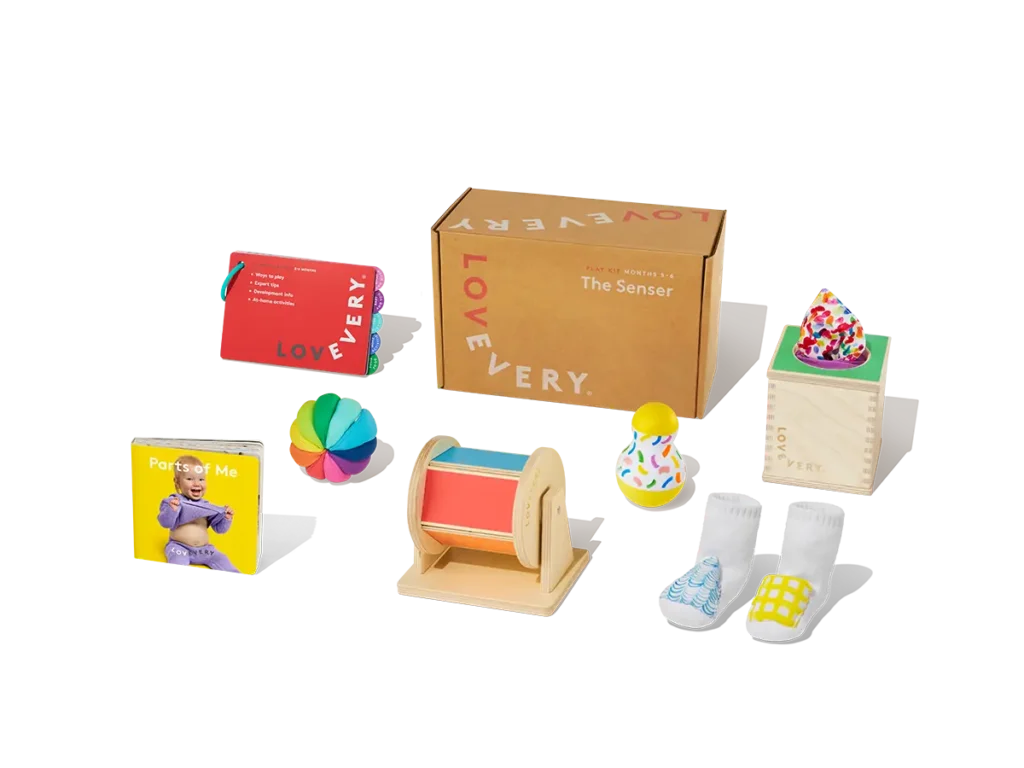
- Use Toys and Mirrors: Place colorful toys or a baby-safe mirror in front of your baby to catch their attention. Mirrors are especially effective because babies love looking at their reflection.
- Get Down on Their Level: Lie on the floor face-to-face with your baby and engage them with smiles, silly faces, or gentle talking. Your presence will provide comfort and encouragement.
- Move the Toys Around: Slowly move toys from side to side to encourage your baby to turn their head and track the object, which strengthens neck muscles and improves visual tracking skills.
Interactive play makes tummy time more dynamic and exciting, keeping your baby curious and entertained.
Incorporate Music and Songs
Adding music can make tummy time more soothing and enjoyable.
- Sing to Your Baby: Simple songs like “Twinkle, Twinkle, Little Star” or “Itsy Bitsy Spider” can make tummy time more fun and interactive. Use hand motions to grab your baby’s attention and add an extra layer of engagement.
- Play Gentle Music: A soft playlist in the background can help create a calming environment, reducing fussiness and making the experience more pleasant for both of you.
Music not only keeps your baby entertained but also helps create positive associations with tummy time.
Tummy-to-Tummy Position
This position is a favorite for newborns and a great way to make tummy time more comfortable.
Lie on your back and place your baby on your chest, tummy to tummy. This angle allows your baby to lift their head while feeling safe and close to you. Talk, sing, or make eye contact to keep them engaged. This variation is particularly useful in the early weeks when your baby is still building strength and adjusting to tummy time.
Tummy-to-tummy time provides the same benefits, while your baby doesn't even realize they're working because they are so busy gazing at their favorite thing in the world- your face.
By adding interactive play, music, and alternative positions like tummy-to-tummy, you can make tummy time something that your baby looks forward to.
Creative Tummy Time Activities
Keeping tummy time fresh and engaging is key to ensuring your baby continues to enjoy it as they grow. By introducing a variety of creative activities, you can keep your little one entertained while boosting the tummy time benefits they gain. Here are some fun and innovative ideas to try.
Tummy Time on a Yoga Ball
Using a yoga ball adds a new dimension to tummy time and helps with balance and core strength. This was something that was introduced to our family when my daughter needed a little help with her physical milestones and her pediatric physical therapist recommended using an exercise ball to strengthen her back and neck and encourage rolling independently.
What you'll do is place a soft blanket over a yoga ball and gently lay your baby on their tummy, ensuring you’re holding them securely at all times. Slowly roll the ball forward, backward, and side to side to give your baby a new perspective. This activity not only strengthens their muscles but also provides sensory stimulation as they adjust to the gentle movement.
For added engagement, position a toy or mirror in front of them and watch their excitement as they reach and explore.

Use of Tummy Time Mats
A tummy time mat with bright colors, interesting textures, and interactive features can make playtime even more stimulating.
Choose a mat that includes built-in toys, mirrors, or crinkle fabric to keep your baby’s attention. Place them on the mat with a few additional toys nearby to encourage exploration. Many mats have themes, such as underwater scenes or animals, which can spark curiosity and provide a mini adventure for your baby.
Switch up the toys and positions on the mat to keep things interesting and help your baby explore their environment from different angles.
Incorporate Siblings or Pets
Supervised interactions with siblings or pets can make tummy time a family affair.
Older siblings can join in by showing toys, making silly faces, or reading books to your baby. Their playful energy often captivates babies and motivates them to lift their head and engage. If you have a pet, allow them to sit nearby during tummy time (with careful supervision) to pique your baby’s curiosity and add a new layer of excitement.
Conclusion
Tummy time is a simple yet powerful way to support your baby’s development, offering benefits that span physical, sensory, and cognitive growth. From building strength for key milestones like crawling and walking to preventing flat head syndrome, the tummy time benefits are undeniable.
While tummy time may present challenges at first, patience and creativity can transform it into a fun and enjoyable activity for both you and your baby. By starting early, practicing safe techniques, and incorporating engaging toys and activities, you can help your baby build confidence and skills. Remember, every moment of tummy time—whether it’s one minute or ten—contributes to their overall development.
Celebrate your baby’s progress, embrace the small wins, and most importantly, enjoy this special bonding time.
You’ve got this, and your baby is lucky to have you guiding them every step of the way!