
Why Your Baby Cries Nonstop And How To Soothe The Storm
Caring for a newborn is one of the most rewarding experiences, but it can also be incredibly challenging—especially when your baby cries nonstop. It’s normal to feel concerned or even overwhelmed, but crying is your baby’s primary way of communicating their needs. As a labor and delivery nurse and a mom of three, I know a thing or two about crying babies.
On one hand, a baby that cries is a baby that's communicating. And this can be such a blessing! Without their cries, we may not know that they are hungry or tired, or in pain. But on the other hand, we're tired. Right? Moms around the world, let's all nod in syncrony together as we agree that this is hard. Having a baby that won't stop crying feels like one of the hardest things you'll ever do and sometimes it feels like it will never end. But I promise that it ends. The crying stops. The sleepless nights go away. And you will all be ok.
But until then, we all need some help from time to time. You're not alone in feeling like you just can't do this by yourself and you need a little guidance. I was the same way when I had my first two. Yes two. I didn't get the hang of it right away and it took me two rounds to finally figure it all out.


Wondering who I am and why I'm giving advice? I'm a mom of three and a labor and delivery nurse. I've assisted in thousands of births and helped countless women on their journey to an empowered motherhood journey. I want to bring my knowledge and genuine mom advice to you. I'm so glad you're here. If you're looking for someone to talk to or lean on in this new mom life, I'm your girl.
Please note: The views on this website are personal opinions only and do not represent the opinions or policies of any provider or institution that I am affiliated with. I am not giving medical advice. Information on this website is not intended to diagnose, or treat any form of any disease. This article is for informational and entertainment purposes only. I am only telling you what my experiences are. Please refer to my Disclaimer Page for more information.
This post may contain affiliate links.
Why Does My Newborn Cry So Much?
Crying is how newborns express themselves. When your baby cries nonstop, it doesn’t mean you’re doing anything wrong—it just means they’re trying to tell you something. Here are the most common reasons behind newborn crying:

Hunger
Babies have tiny stomachs and need frequent feedings, especially in the first few weeks. If your baby is crying, hunger is often the first thing to check. Look for hunger cues like rooting (turning their head toward your chest or hand), sucking on their hands, or smacking their lips.
Hunger is one of the most frequent reasons a baby cries nonstop. Your baby’s tiny stomach means they need to eat often, sometimes as frequently as every 2-3 hours, day and night. If your baby is crying, especially with a rhythmic or repetitive cry, hunger is a likely cause.
Look for hunger cues to address their needs before crying escalates. Signs include rooting (turning their head toward your hand or chest), sucking on hands or fingers, and making smacking or sucking noises. Offering a breast, bottle, or pacifier at the first signs of hunger can prevent your baby from becoming overly upset.
Dirty Diaper
Some babies are especially sensitive to the discomfort of a wet or soiled diaper. If your baby cries nonstop, a quick diaper check should be one of your first steps. Even a slightly damp diaper can irritate their delicate skin, causing them to fuss or cry.
Make diaper changes a regular part of your routine to keep your baby comfortable. Using diaper creams or barrier ointments can help protect against irritation, especially if your baby is prone to diaper rash. A clean diaper often results in an instant mood change for your little one.
Related Read: How to Prevent Diaper Rash In 5 Simple Steps
Gas or Colic
Digestive discomfort is another common reason to consider if your baby cries nonstop. Babies swallow air during feeding, which can lead to gas. If your baby seems uncomfortable, pulling their legs toward their chest, arching their back, or letting out high-pitched cries, they may be struggling with gas or colic.
To help ease their discomfort, try burping them during and after feedings. You can also gently massage their tummy in a clockwise motion or perform bicycle kicks with their legs to relieve trapped gas. If colic is the issue, soothing techniques like swaddling, rocking, or using white noise can help calm your baby during their crying spells.
One product that I used for my three babies was Colic Calm. It was the most natural gripe water alternative that I could find and the dosage is so small so that it doesn't take up more room in their belly, furthering the problem. I gift this to all new moms because I swear by it.
Overstimulation
Newborns are still adjusting to the world outside the womb, and too much noise, light, or activity can quickly overwhelm them. If your baby cries nonstop after a busy day or exposure to a lot of stimuli, they may be overstimulated. Their cries may sound whiny or fussy rather than urgent.
To calm an overstimulated baby, move them to a quieter, dimly lit space. Swaddling them or holding them close in a baby carrier can also help them feel secure. Creating a calm and predictable environment helps your baby process the world at their own pace.
Fatigue
An overtired baby is often harder to soothe than one who’s simply sleepy. If your baby cries nonstop, they may be fighting sleep. Babies can become overtired if they stay awake too long, as their bodies produce stress hormones that make it harder to relax.
Watch for signs of fatigue like rubbing eyes, yawning, or staring off into space. Newborns typically need to sleep every 1-2 hours, so try to put them down for naps before they become overtired. Establishing a soothing pre-sleep routine, like dimming the lights and rocking them gently, can help your baby drift off more easily.
Developmental Milestones and Growth Spurts
Sometimes, your newborn won’t stop crying because they’re going through a developmental leap or growth spurt. These are periods when your baby is growing quickly or learning new skills, which can make them extra fussy.
Expect fussiness during growth spurts, which commonly occur around 3 weeks, 6 weeks, and 3 months. Your baby may want to eat more frequently or cry more often during these phases. As your baby’s brain develops, they may become more aware of their surroundings. This can temporarily make them more sensitive or fussy.
Your Baby’s Temperament
Every baby is unique, and their temperament plays a significant role in how they respond to the world around them. Understanding your baby’s personality can help you better interpret their crying and provide tailored comfort when your newborn won’t stop crying. Let’s explore the different temperamental traits and how they may influence your baby’s behavior.
Related Read: Nurturing Your Baby’s Temperament: Practical Strategies for Parenting Your Difficult Baby
High-Needs Babies
Some babies are naturally more sensitive and require more attention to feel secure. These are often referred to as “high-needs babies.” If your baby cries frequently, wants to be held constantly, or has difficulty self-soothing, they may fall into this category.
High-needs babies thrive on physical closeness, so practices like babywearing or co-sleeping (when done safely) can help them feel more secure. Responding promptly to their cries helps build trust and reduces overall fussiness. While this level of care may feel exhausting at times, remember that these babies often grow into empathetic and emotionally intelligent children.
Easily Overstimulated Babies
Some babies are particularly sensitive to their environment, becoming overwhelmed by bright lights, loud noises, or even too much handling. If your baby often cries after outings, during family gatherings, or in noisy environments, overstimulation might be the issue.
To support an easily overstimulated baby, focus on creating a calm and predictable environment. Use dim lighting, soft voices, and minimal background noise to help your baby feel at ease. When out and about, consider using a stroller cover or baby carrier to shield them from excessive stimuli. Recognizing their need for calm will help prevent unnecessary crying episodes.
Adjusting to Your Baby’s Unique Temperament
As you get to know your baby’s temperament, you’ll become better at anticipating their needs and responding effectively when your newborn won’t stop crying. Remember, there’s no “right” or “wrong” temperament—just different ways of interacting with the world.
By honoring your baby’s unique personality and adjusting your approach to match their needs, you’ll build a stronger bond and create a supportive environment where they can thrive. Each cry is an opportunity to understand your baby better and deepen your connection.

Tips for Identifying the Cause of Crying
When your newborn won’t stop crying, it can feel overwhelming to figure out the cause. Here’s a simple checklist to help you troubleshoot:
Is your baby hungry? How will you know?
Hunger is one of the most common reasons babies cry. A hungry baby typically shows specific cues before escalating into full-blown crying. Watch for these early signs and act before the crying starts:
- Rooting, or turning their head toward your chest or hand when touched.
- Sucking on their hands, fingers, or anything within reach.
- Making smacking or sucking noises with their lips.
If these signs are present, offer your baby a feeding. If breastfeeding, ensure they’re latching correctly and getting enough milk. For bottle-fed babies, check that the nipple flow is appropriate for their age to prevent frustration. Feeding on demand, rather than on a strict schedule, helps keep your baby satisfied and reduces hunger-related crying.
Another thing to note here:
If your newborn won't stop crying and you're sure that they just ate 1.5 hours ago and so they can't possibly be hungry again because the nurse and Google and everywhere else say that babies eat every 2-3 hours…think again.
Babies aren't robots. Although eating every 2-3 hours is a common average, babies can get hungry sooner than average. They can be hungry before that two hours hits and they may want to eat much more frequently some days than you thought. And that's ok. If they are showing hunger signs (not just crying, but actual hunger signs that we went over above) don't be afraid to offer them additional feedings.
Related Read: Unlocking the Secrets to a Positive Breastfeeding Experience Starting With The Very First Latch
Does their diaper need changing? How often should I be doing this?
A wet or soiled diaper can quickly lead to fussiness, especially if your baby is sensitive to discomfort. Newborns often need diaper changes 8-12 times a day, so checking their diaper is a simple yet effective first step when they’re crying.
To keep your baby comfortable, use high-quality, absorbent diapers and apply a protective barrier cream to prevent diaper rash. If your baby is fussy during diaper changes, try to keep the process quick and soothing. Warm wipes and a distraction, like a soft toy or your soothing voice, can make diaper time more pleasant. A fresh diaper can often lead to an immediate improvement in their mood.
Keep in mind that most disposable diapers also have an indicator line on the front of the diaper that lets you know when it's wet. If your diaper has a yellow line down the front of the dry diaper, it will turn blue when it comes in contact with moisture. This is a good indicator that it's time to change your baby's diaper for a new one.
Are they too hot or too cold?
Newborns are sensitive to changes in temperature, and being too hot or too cold can make them uncomfortable and fussy. If your baby feels sweaty, flushed, or overly warm to the touch, they might be overheating. Conversely, if their chest or back feel cold, their cheeks are pale, or they seem unusually fussy, they might be chilly.
To check if your baby is dressed appropriately for the temperature, feel the back of their neck or chest—this will give you a better indication than their hands or feet, which often feel cool due to their developing circulation. A general rule of thumb is to dress your baby in one more layer than what you’re wearing for the same environment. Use breathable fabrics, like cotton, to avoid overheating and adjust blankets or clothing layers based on the room temperature.
If your newborn won’t stop crying despite your efforts, a quick temperature check and a change in clothing or room conditions might be all it takes to soothe them. Keeping the room temperature between 68–72°F (20–22°C) is ideal for most babies, and using a sleep sack or swaddle instead of loose blankets helps maintain a comfortable and safe sleeping environment.
Does my baby have colic?
Gas and colic are frequent causes of crying, especially in newborns. If your baby cries intensely, arches their back, pulls their legs up to their chest, or has a hard, bloated belly, they may be experiencing digestive discomfort.
To ease gas, try burping your baby during and after feedings. Hold them upright against your chest and gently pat their back, or use the sitting position on your lap with light back rubs. Performing tummy massages or bicycle kicks can also help release trapped gas. If colic is the issue, soothing methods like swaddling, white noise, or rhythmic movement (e.g., rocking or bouncing) can help your baby through their crying episodes.
Not every baby that has gas has colic though. Typically colic is identified when your baby ries for more than 3 hours a day, more than 3 days a week, for 3 weeks or more. If this is the case, have a chat with your pediatrician about your child's colic and check out this post to see if it might be something more.
Related Read: The Ultimate Guide To Calming Your Fussy Baby

Is my baby overtired?
Babies often cry when they’re overtired, as they struggle to settle themselves to sleep. Overtiredness can occur when they’ve been awake too long, as their bodies produce stress hormones like cortisol, which make it harder to relax.
Watch for signs of readiness for a nap, such as rubbing eyes, yawning, staring off into space, or becoming less engaged with their surroundings. To prevent overtiredness, pay attention to your baby’s wake windows. Newborns typically need to sleep every 1-2 hours. If your newborn has been awake for 60-90 minutes, consider starting their calming routine to get them to fall asleep sooner rather than later.
Create a calming pre-sleep routine to help your baby wind down, such as dimming the lights, swaddling, and using white noise. Rocking or nursing them to sleep can also help, especially during the newborn stage when they need extra support to transition into sleep.
Could it be signs of illness?
Sometimes, when your newborn won’t stop crying, it may be their way of signaling that they’re not feeling well. While most crying is due to common causes like hunger or fatigue, prolonged or unusual crying can occasionally indicate an underlying illness. Paying attention to your baby’s behavior and accompanying symptoms is key to determining whether their crying is a sign of illness.
Look for other symptoms that could signal a health concern, such as fever, vomiting, diarrhea, poor feeding, or lethargy. If your baby’s cry sounds different—sharper, more urgent, or unusually weak—it’s worth taking note. Rashes, difficulty breathing, or a change in their usual eating and sleeping patterns are also signs that something may be wrong. Even if you’re unsure, trust your instincts; as a parent, you know your baby best.
When in doubt, it’s always better to consult your pediatrician. They can help determine if your baby’s crying is linked to a health issue or simply part of their normal behavior. Early intervention is especially important for newborns, as their immune systems are still developing. Remember, you’re not alone in navigating your baby’s fussiness—seeking medical advice when needed is a proactive way to ensure your baby stays healthy and happy.
By systematically checking for these common causes of crying, you can better understand your baby’s needs and respond effectively. Each time your newborn won’t stop crying, use this checklist to troubleshoot the issue with confidence and care.
Are they in pain?
When your newborn won’t stop crying, it’s natural to wonder if they might be in pain. Pain can stem from various sources, such as teething, an upset stomach, or even an unnoticed physical issue. Unlike hunger or tiredness cries, pain cries are often high-pitched, intense, and may come with sudden bursts of screaming. Your baby might also show physical signs, such as arching their back, clenching their fists, or pulling at a specific body part.
One lesser-known cause of pain in newborns is a hair tourniquet. This occurs when a strand of hair wraps tightly around a baby’s finger, toe, or even genitals, cutting off circulation and causing significant discomfort. Because it’s not immediately visible, it’s easy to miss. If your baby seems inconsolable and you can’t identify the reason, check their fingers, toes, and diaper area carefully for any signs of redness, swelling, or hair wrapped around the skin.
Other potential causes of pain include diaper rash, ear infections, or a sore spot from a recent vaccination. If you suspect your baby is in pain but can’t determine the source, gently examine their body for signs of injury, swelling, or unusual redness. Trust your instincts and consult your pediatrician if the crying persists or you’re concerned. Quick action can bring relief to your baby and give you peace of mind.
When to Seek Help
While most crying is normal, there are times when persistent crying might signal a deeper issue. Contact your pediatrician if:
- Your baby cries for more than 3 hours a day, more than 3 days a week, for 3 weeks or more (a sign of colic).
- They have other symptoms, such as fever, vomiting, diarrhea, or poor feeding.
- You feel overwhelmed or unsure about how to soothe them.
Final Thoughts: When Your Newborn Won't Stop Crying
When your newborn won’t stop crying, it can feel stressful and even heartbreaking. But remember: crying is often just a normal part of your baby’s development and communication. By understanding the common reasons behind their fussiness and responding with patience and care, you’ll not only soothe your baby but also strengthen your bond.
Every baby is different, and it may take time to learn what works best for yours. Trust yourself—you’re doing an amazing job. With love, practice, and the tips above, you’ll soon feel more confident in calming your crying newborn. 💕
Additional Resources
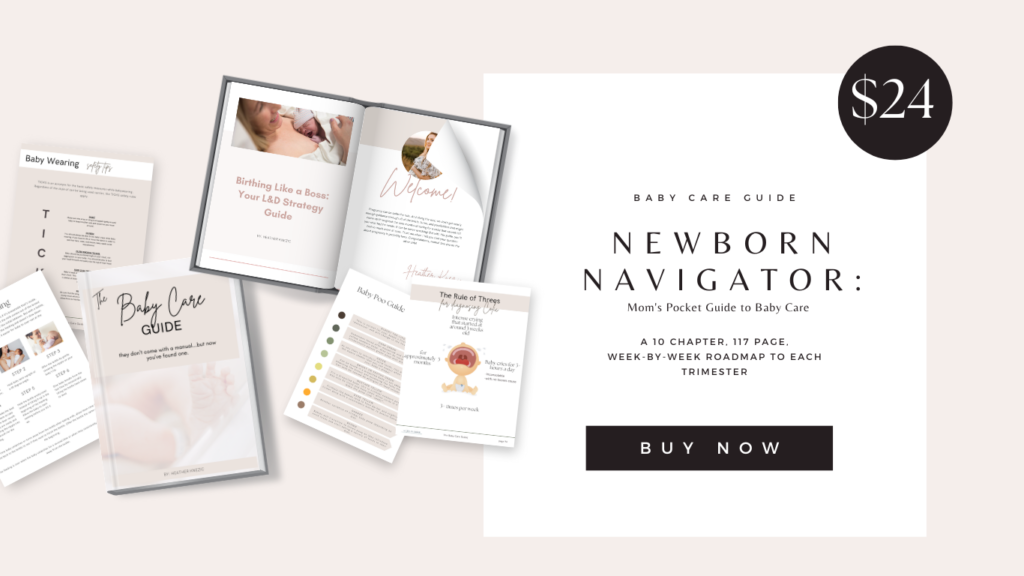
The Newborn Navigator-Mom's Pocket Guide To Baby Care
Feeling overwhelmed as a new mom? The Baby-Care Guide is here to make life easier! Packed with practical tips, expert advice, and easy-to-follow solutions, this guide is designed to help you tackle everything from soothing a fussy baby to creating a peaceful bedtime routine. Whether you’re a first-time mom or juggling multiple little ones, this resource is your secret weapon for confident parenting.
Inside, you’ll find step-by-step guidance on topics like calming cries, recognizing your baby’s cues, and troubleshooting common challenges like gas, colic, and sleep struggles. With helpful checklists, real-life strategies, and bonus tips to make daily routines smoother, The Baby-Care Guide will quickly become your trusted companion. Say goodbye to second-guessing and hello to more joyful moments with your baby! Grab your copy today and start feeling more confident and empowered as a mom. 💕